
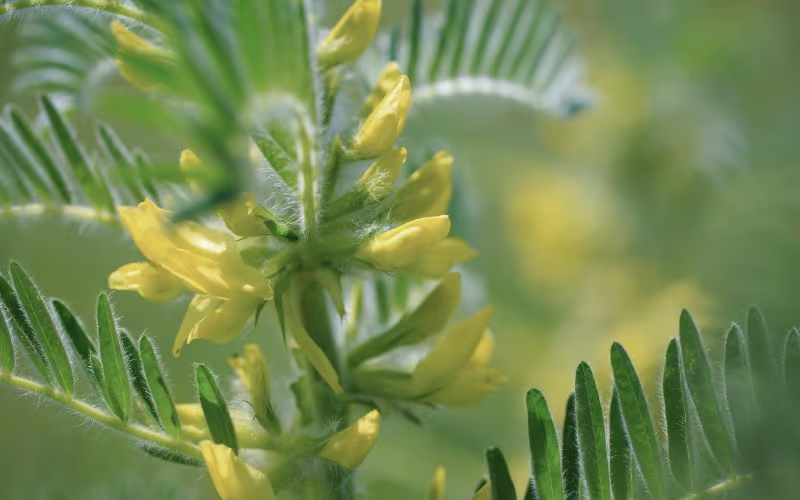
Astragalus
The Ancient Herb That Could Slow Aging and Support Cancer Recovery
What if a centuries-old herb could bolster your immune system, help you recover from chemotherapy, and even slow down the effects of aging at the cellular level? Meet Astragalus membranaceus, a versatile herb long celebrated in traditional medicine and now validated by modern science.
Astragalus is known worldwide for promoting strength, vitality, and longevity. But it has recently gained attention for its groundbreaking role in telomere preservation—a discovery linking it directly to anti-aging and cellular health. Telomeres act as protective “caps” on the ends of DNA strands, and when they shorten, cells age and grow weaker. Compounds in Astragalus actively stimulate telomerase, an enzyme that helps maintain telomere length—providing a robust tool for slowing cellular aging and enhancing vitality.
In addition to its anti-aging benefits, Astragalus is a staple in chemotherapy support. By strengthening the immune system, relieving fatigue, and protecting white blood cells from damage, this herb has proven to be an invaluable ally for cancer patients. Whether you’re looking to improve cellular health, recover from treatment, or protect your body against modern stressors, Astragalus combines ancient wisdom with scientific validation for total-body wellness.
History of Astragalus membranaceus
Ancient Roots in Traditional Chinese Medicine
Astragalus (milk-vetch or “Huang Qi” in Chinese) has been used in Traditional Chinese Medicine (TCM) for thousands of years as a Qi tonic to strengthen vitality and enhance overall health. Practitioners valued it for its ability to:
Boost the immune system and protect against illness.
Increase energy and combat fatigue by tonifying the spleen and lungs.
Promote tissue recovery in areas like wounds or prolapsed organs.
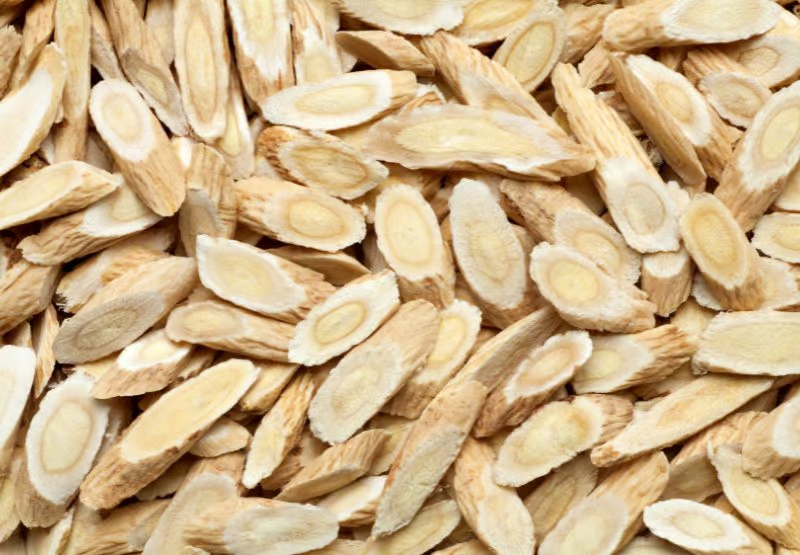
In TCM, it is categorized as a secondary adaptogen—a class of herbs that assist the body in adapting to stress and maintaining overall balance. Unlike primary adaptogens, secondary adaptogens like Astragalus work gently but powerfully over time to promote long-term resilience.
As part of a holistic approach, Astragalus was often prescribed to bolster the body’s “righteous Qi” (or natural defenses), making it particularly invaluable in times of illness, chronic stress, or as a preventive tonic to maintain health and longevity.
Traditional Use
Historically, Astragalus membranaceus has been used to address a wide range of health concerns. Below are its most notable traditional applications:
Immune System Support: Recognized in TCM as a tonic to strengthen the body’s defenses, particularly against colds and respiratory infections. Studies today reveal its immune-modulating properties, confirming its ability to balance and enhance immune responses.
Energy & Vitality: Used to combat fatigue, improve appetite, and replenish the body’s energy by tonifying the spleen and lung meridians. Its adaptogenic properties explain why it is especially effective at helping the body resist stress-related fatigue.
Wound Healing & Recovery: Known for promoting tissue recovery, particularly for chronic wounds or prolapsed organs (e.g., uterine or rectal prolapse). This traditional use aligns with modern findings that Astragalus supports cell regeneration and recovery processes.
Support Through Illness: In China, it is a key part of fu-zheng therapy (“supporting the righteous”), which helps cancer patients regain strength during chemotherapy treatments.
Anti-Aging & Longevity: Valued for its role in reducing cellular aging and preserving telomeres (the protective caps of chromosomes).
Appearance and Growth
Botanical Description
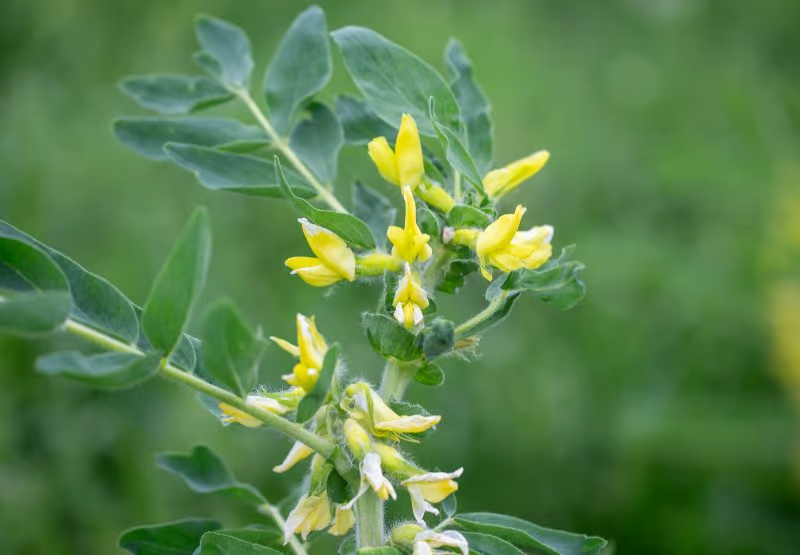
Astragalus membranaceus is a hardy perennial with several distinctive features:
- Stems & Shape: A low-growing shrub with hairy stems that spread close to the ground.
- Leaves: Fern-like fronds with smooth, delicate edges.
- Roots: Yellow roots are the most prized part of the plant—the medicinal heart.
- Flowers: Typically produces small, clustered blooms.
Natural Habitat
Astragalus membranaceus is native to Mongolia and northern China, thriving in regions with sandy, well-drained soils. This hardy herb is well-adapted to harsh climates, including dry and cooler regions. Its resilience in tough environmental conditions reflects its role in human health, where it acts as a tonic to boost strength and promote resilience.
📞 Schedule Your Free Discovery Call Today
Curious about how Astragalus could transform your wellness journey? Book a FREE discovery video meeting today!
Clinical Applications of Astragalus membranaceus
Beneficial Chemical Constituents
Astragalus owes its potency to a diverse range of bioactive compounds that work synergistically to support health and resilience:
Polysaccharides: These water-soluble carbohydrates are responsible for immune-boosting and anti-inflammatory effects. Polysaccharides also have adaptogenic benefits, helping modulate stress responses, support energy metabolism, and reduce systemic inflammation.
Saponins: Key active compounds like astragaloside IV exhibit antioxidant, anti-cancer, and adaptogenic qualities by promoting cellular repair, reducing inflammation, and enhancing resilience to stress.
Flavonoids: Known for combating oxidative stress and reducing free radical damage, flavonoids such as calycosin and formononetin also contribute to Astragalus’s adaptogenic properties by supporting neuroprotection, vascular health, and overall homeostasis under stress.
Cycloastragenol & Astragalosides: These compounds are strongly associated with telomere protection and anti-aging effects, guarding cellular integrity during periods of heightened stress and extending cellular longevity.
Minerals & Amino Acids: This diverse profile of micronutrients further enhances the herb’s ability to balance and promote resilience in the body, contributing to its adaptogenic classification.
Together, these compounds create Astragalus’s well-rounded adaptogenic profile, making it a powerful herb for enhancing resistance to stress, supporting vitality, and maintaining overall wellness. Its ability to modulate immunity, restore cellular balance, and protect against environmental challenges establishes Astragalus as a cornerstone of preventive and integrative therapies.
Cellular Longevity

Astragalus-derived compounds are becoming well-known for their ability to support healthy aging and promote cellular longevity. This is mainly because they can activate telomerase, an enzyme that helps maintain and repair telomeres—protective “caps” at the ends of our DNA strands. Telomeres naturally shorten over time as cells divide, and their shortening is closely linked to aging and cellular health decline.
One particularly exciting compound, called TA-65, is purified from the Astragalus root. Research has extensively studied TA-65 for its ability to lengthen shortened telomeres, which may help cells live longer and function better. A groundbreaking study in Aging Cell (2011) tested TA-65 in aged mice, showing that it not only increased telomere length but also improved overall cellular health, boosted immune function, and enhanced the mice’s vitality—all without increasing the risk of cancer.
Further supporting these findings...
A randomized, double-blind, placebo-controlled human trial published in Rejuvenation Research (2016) demonstrated the impact of TA-65 in a randomized, double-blind, placebo-controlled trial. In this study, middle-aged participants who took TA-65 experienced a measurable increase in their telomere length, with an average growth of 530 ± 180 base pairs. This result strongly correlated with improved health markers and outcomes, suggesting that maintaining or restoring telomere length may have a real-life impact on slowing the effects of aging.
Compounds like TA-65 and cycloastragenol—another active molecule derived from Astragalus—highlight the powerful potential of this ancient herb. Ongoing research continues to support its use as a natural tool to enhance cellular health, protect against aging-related decline, and improve overall quality of life, making Astragalus membranaceus a promising candidate for anti-aging and longevity therapies.
Astragalus-derived compounds are becoming well-known for their ability to support healthy aging and promote cellular longevity. This is mainly because they can activate telomerase, an enzyme that helps maintain and repair telomeres—protective “caps” at the ends of our DNA strands. Telomeres naturally shorten over time as cells divide, and their shortening is closely linked to aging and cellular health decline.
One particularly exciting compound, called TA-65, is purified from the Astragalus root. Research has extensively studied TA-65 for its ability to lengthen shortened telomeres, which may help cells live longer and function better. A groundbreaking study in Aging Cell (2011) tested TA-65 in aged mice, showing that it not only increased telomere length but also improved overall cellular health, boosted immune function, and enhanced the mice’s vitality—all without increasing the risk of cancer.
Further supporting these findings...
A randomized, double-blind, placebo-controlled human trial published in Rejuvenation Research (2016) demonstrated the impact of TA-65 in a randomized, double-blind, placebo-controlled trial. In this study, middle-aged participants who took TA-65 experienced a measurable increase in their telomere length, with an average growth of 530 ± 180 base pairs. This result strongly correlated with improved health markers and outcomes, suggesting that maintaining or restoring telomere length may have a real-life impact on slowing the effects of aging.
Compounds like TA-65 and cycloastragenol—another active molecule derived from Astragalus—highlight the powerful potential of this ancient herb. Ongoing research continues to support its use as a natural tool to enhance cellular health, protect against aging-related decline, and improve overall quality of life, making Astragalus membranaceus a promising candidate for anti-aging and longevity therapies.
Chemotherapy Support
Astragalus is widely utilized in fu-zheng therapies, which focus on fortifying patients’ health in the face of debilitating treatments like chemotherapy. A study published in Phytotherapy Research (2007) delves into Astragalus’s therapeutic benefits in supporting cancer patients by exploring its ability to regulate hematopoiesis (blood cell production).
The research conducted on myelosuppressed mice highlighted the role of Astragalus extract in facilitating immune recovery. In the study, Astragalus extract was shown to significantly improve the regeneration of hematopoietic cells, which are often compromised due to the adverse effects of chemotherapy. By enhancing the production of immune cells and reducing the effects of myelosuppression, Astragalus offers critical support to cancer patients facing reduced immune responses, anemia, and other side effects associated with aggressive treatment regimens.
These findings reinforce the application of Astragalus in integrative oncology as a complementary therapy, helping patients recover faster while improving their overall quality of life during chemotherapy.
Reducing Fatigue and Improving Quality of Life
Adding to the evidence, a systematic review and meta-analysis reviewed multiple clinical trials to evaluate the use of Astragalus for cancer patients. The findings highlighted that Astragalus not only helps with immune recovery but also provides significant relief from cancer-related fatigue (CRF) and improves quality of life. Specifically, the study found that Astragalus:
Significantly reduced fatigue, helping patients feel more energized.
Boosted quality of life, leading to better sleep, reduced pain, and an improved sense of well-being.
Astragalus is thought to work by regenerating bone marrow, reducing inflammation, and supporting the body’s natural recovery processes. Together, these effects explain why it is so effective in helping cancer patients recover both physically and emotionally during difficult treatments.
Immune Modulation

Astragalus membranaceus has been widely recognized for its ability to support and strengthen the immune system, largely due to its special plant compounds called polysaccharides (Astragalus Polysaccharides or APS). A study published in Biochemical and Biophysical Research Communications (2004) explored how these polysaccharides work to enhance immune function.
The research found that APS can attach to specific receptors on important immune cells, like B cells (which produce antibodies to fight infections) and macrophages (which help “clean up” harmful invaders). By binding to these receptors, the polysaccharides activate these immune cells, helping them multiply and release beneficial molecules called cytokines. These cytokines play a major role in improving the body’s immune response.
To better understand this process...
Researchers used a fluorescent marker to track the polysaccharides. They discovered that APS interacts directly with key immune cell components, such as membrane immunoglobulins (mIg) on B cells and toll-like receptor 4 (TLR4) on macrophages. Interestingly, APS was able to activate B cells independently of TLR4 while simultaneously working with TLR4 to stimulate macrophage activity.
These findings underline why Astragalus has been valued in traditional medicine for centuries—its unique ability to “wake up” and balance the immune system, especially during times of stress or illness. By helping to enhance the activation of crucial immune cells and pathways, Astragalus shows promise as a natural remedy for maintaining resilience and promoting overall health.
Astragalus membranaceus has been widely recognized for its ability to support and strengthen the immune system, largely due to its special plant compounds called polysaccharides (Astragalus Polysaccharides or APS). A study published in Biochemical and Biophysical Research Communications (2004) explored how these polysaccharides work to enhance immune function.
The research found that APS can attach to specific receptors on important immune cells, like B cells (which produce antibodies to fight infections) and macrophages (which help “clean up” harmful invaders). By binding to these receptors, the polysaccharides activate these immune cells, helping them multiply and release beneficial molecules called cytokines. These cytokines play a major role in improving the body’s immune response.
To better understand this process...
Researchers used a fluorescent marker to track the polysaccharides. They discovered that APS interacts directly with key immune cell components, such as membrane immunoglobulins (mIg) on B cells and toll-like receptor 4 (TLR4) on macrophages. Interestingly, APS was able to activate B cells independently of TLR4 while simultaneously working with TLR4 to stimulate macrophage activity.
These findings underline why Astragalus has been valued in traditional medicine for centuries—its unique ability to “wake up” and balance the immune system, especially during times of stress or illness. By helping to enhance the activation of crucial immune cells and pathways, Astragalus shows promise as a natural remedy for maintaining resilience and promoting overall health.
Final Recommendations
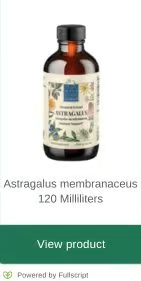
Here are Nancy’s Astragalus recommendations:

Some Precautions with Astragalus:
While Astragalus membranaceus is generally safe and well-tolerated, here are some things to keep in mind:
Autoimmune Conditions: Avoid if you have autoimmune disorders, as it can stimulate the immune system further.
Pregnancy and Lactation: Limited clinical data exists on its safety for pregnant or breastfeeding women. Consult with a healthcare provider.
Medication Interactions: Astragalus may interact with immunosuppressive medications or drugs that influence blood sugar levels.
Disclaimer: There is no “one size fits all” when it comes to recommending Astragalus. Because of this, Nancy recommends Booking a 15 Minute Discovery call if you’re interested in taking this wonderful herb. It’s important to consult with a registered clinical herbalist or natural health practitioner trained in clinical herbalism for more resistant and deeper set health issues. They will be able to give a more tailored suggested serving and daily frequency based on your age, gender, body weight, and any present medical conditions.
Resources
Web Resources:
A study on the immune receptors for polysaccharides from the roots of Astragalus membranaceus, a Chinese medicinal herb | Mechanisms by which Astragalus membranaceus injection regulates hematopoiesis in myelosuppressed mice | The telomerase activator TA-65 elongates short telomeres and increases health span of adult/old mice without increasing cancer incidence | A Natural Product Telomerase Activator Lengthens Telomeres in Humans: A Randomized, Double Blind, and Placebo Controlled Study | Medical Properites and Usage of Astragalus Sp. | Astragalus Membranaceus—Can It Delay Cellular Aging? | Efficacy of Astragalus Membranaceus (Huang Qi) for Cancer-Related Fatigue: A Systematic Review and Meta-Analysis of Randomized Controlled Studies
Scholarly References:
- Duke JA. Handbook of Phytochemical Constituents of GRAS Herbs and Other Economic Plants. Boca Raton: CRC Press, 1992: 83.
- McCaleb R, Leigh E, Morien K. The Encyclopedia of Popular Herbs. Your Complete Guide to the Leading Medicinal Plants. Roseville: Prima Health, 2000: 61-67.
- Shao BM, Xu W, Dai H, Tu P, Li Z, Gao XM. A study on the immune receptors for polysaccharides from the roots of Astragalus membranaceus, a Chinese medicinal herb. Biochemical and Biophysical Research Communications 2004; 320(4): 1103-1111.
- Zhu XL, Zhu BD. Mechanisms by which Astragalus membranaceus injection regulates hematopoiesis in myelosuppressed mice. Phytotherapy Research 2007; 21(7): 663-667.
- Block KI, Mead MN. Immune system effects of echinacea, ginseng, and astragalus: a review. Integrative Cancer Therapies 2003; 2(3): 247-267.
- Bernardes de Jesus B, Schneeberger K, Vera E, et al. The telomerase activator TA-65 elongates short telomeres and increases health span of adult/old mice without increasing cancer incidence. Aging Cell 2011; 10: 604-621.
- Salvador L, Singaravelu G, Harley CB, et al. A Natural Product Telomerase Activator Lengthens Telomeres in Humans: A Randomized, Double Blind, and Placebo Controlled Study. Rejuvenation Research 2016; 19(6): 478-484.
- Zrouri H, et al. A Natural Astragalus-Based Nutritional Supplement Lengthens Telomeres in a Middle-Aged Population: A Randomized, Double-Blind, Placebo-Controlled Study. Nutrients 2024; 16(17): 2863.
- Liu C, et al. Effects of TA-65 on telomere length, functional outcomes, and inflammation: a systematic review and meta-analysis. Cell Biology and Toxicology 2025.
- Ip FC, et al. Cycloastragenol Is a Potent Telomerase Activator in Neuronal Cells: Implications for Depression Management. Neurosignals 2014; 22: 52-63.
- Chen C, et al. A comprehensive review of cycloastragenol: Biological activity, mechanism of action and structural modifications. European Journal of Medicinal Chemistry Reports 2022; 5: 100050.
- Yu Y, et al. Cycloastragenol: An exciting novel candidate for age-associated diseases. Experimental Gerontology 2018; 105: 94-101.
- Idrees M, et al. Cycloastragenol activation of telomerase improves β-Klotho protein level and attenuates age-related malfunctioning in ovarian tissues. Mechanisms of Ageing and Development 2023; 209: 111756.
- Harley CB, Liu W, Blasco M, et al. A natural product telomerase activator as part of a health maintenance program. Rejuvenation Research 2011; 14: 45-56.
- McCulloch M, See C, Shu XJ, et al. Astragalus-based Chinese herbs and platinum-based chemotherapy for advanced non-small-cell lung cancer: meta-analysis of randomized trials. Journal of Clinical Oncology 2006; 24(3): 419-430.
- McCulloch M, et al. Astragalus-containing Chinese herbal combinations for advanced non-small-cell lung cancer: a meta-analysis of 65 clinical trials enrolling 4751 patients. Lung Cancer: Targets and Therapy 2017; 8: 1-14.
- Ye T, et al. Astragalus Injection Enhances the Sensitivity of Clinical Cancer Patients to Chemotherapy: A Systematic meta-Analysis. Natural Product Communications 2024.
- Chen M, et al. Meta-Analysis of Astragalus-Containing Traditional Chinese Medicine Combined With Chemotherapy for Colorectal Cancer: Efficacy and Safety to Tumor Response. Frontiers in Oncology 2019; 9: 749.
- Taixiang W, Munro A, Guanjian L. Chinese medical herbs for chemotherapy side effects in colorectal cancer patients. Cochrane Database of Systematic Reviews 2005; 25(1): CD004540.
- Cheng M, et al. Efficacy and Safety of Astragalus-Containing Traditional Chinese Medicine Combined With Platinum-Based Chemotherapy in Advanced Gastric Cancer: A Systematic Review and Meta-Analysis. Frontiers in Oncology 2021; 11: 632168.
- Zheng J, et al. Astragalus-Containing Chinese Herbal Medicine Combined With Chemotherapy for Cervical Cancer: A Systematic Review and Meta-Analysis. Frontiers in Pharmacology 2021; 12: 587021.
- Zhang D, et al. Evidence of Astragalus injection combined platinum-based chemotherapy in advanced nonsmall cell lung cancer patients: A systematic review and meta-analysis. Medicine 2019; 98(11): e14798.
- Li Q, et al. Efficacy and safety of astragalus polysaccharides in patients with malignant tumors: A systematic review and meta-analysis. Naunyn-Schmiedeberg’s Archives of Pharmacology 2025.
- Duan P, Wang ZM. Clinical study on effect of Astragalus in efficacy enhancing and toxicity reducing of chemotherapy in patients of malignant tumor. Zhongguo Zhong Xi Yi Jie He Za Zhi 2002; 22(7): 515-517.
- Zou YH, Liu XM. Effect of astragalus injection combined with chemotherapy on quality of life in patients with advanced non-small cell lung cancer. Zhongguo Zhong Xi Yi Jie He Za Zhi 2003; 23(10): 733-735.
- Guo XM, Li JX, Yang XF. Clinical observation on 112 cases with non-Hodgkin’s lymphoma treated by Chinese herbs combined with chemotherapy. Zhongguo Zhong Xi Yi Jie He Za Zhi 1997; 17(6): 325-327.
- Wei X, Zhang J, Li J, Chen S. Astragalus mongholicus and Polygonum multiflorum’s protective function against cyclophosphamide inhibitory effect on thymus. American Journal of Chinese Medicine 2004; 32(5): 669-680.
- Yang M, et al. An herbal decoction of Radix astragali and Radix angelicae sinensis promotes hematopoiesis and thrombopoiesis. Journal of Ethnopharmacology 2009; 124(1): 87-97.
- Mao SP, Cheng KL, Zhou YF. Modulatory effect of Astragalus membranaceus on Th1/Th2 cytokine in patients with herpes simplex keratitis. Zhongguo Zhong Xi Yi Jie He Za Zhi 2004; 24(2): 121-123.
- Cho WC, Leung KN. In vitro and in vivo anti-tumor effects of Astragalus membranaceus. Cancer Letters 2007; 252(1): 43-54.
- Zhang JG, Gao DS, Wei GH. Clinical study on effect of Astragalus injection on left ventricular remodeling and left ventricular function in patients with acute myocardial infarction. Zhongguo Zhong Xi Yi Jie He Za Zhi 2002; 22(5): 346-348.
- Li M, Wang W, Xue J, Gu Y, Lin S. Meta-analysis of the clinical value of Astragalus membranaceus in diabetic nephropathy. Journal of Ethnopharmacology 2010; 133(2): 412-419.
- Zou F, et al. Astragalus polysaccharides alleviates glucose toxicity and restores glucose homeostasis in diabetic states via activation of AMPK. Acta Pharmacologica Sinica 2009; 30(12): 1607-1615.
- Szabo NJ. Dietary safety of cycloastragenol from Astragalus spp.: Subchronic toxicity and genotoxicity studies. Food and Chemical Toxicology 2014; 64: 322-334.