

Bitters for Digestive Vitality
History of Digestive Bitters
Digestive bitters hold a timeless place in human health traditions, spanning thousands of years. From the earliest documentation on Sumerian clay tablets to their integration into Traditional Chinese Medicine (TCM) and medieval European practices, bitters have formed the cornerstone of digestive health therapeutics.
Modern medical researchers suggest that bitter substances played a crucial role in human evolution, enabling us to detect potentially toxic compounds and avoid harm. This evolutionary safeguard, however, became one of humanity’s most powerful therapeutic tools. The human genome contains approximately 25 functional bitter taste receptor genes (TAS2Rs)—far more than those for other taste modalities—indicating an evolutionary priority for bitter detection that extends beyond mere toxin avoidance. Over time, humans harnessed bitter substances not only to protect themselves but also to aid digestion, enhance detoxification, and maintain physical harmony.

Digestive bitters hold a timeless place in human health traditions, spanning thousands of years. From the earliest documentation on Sumerian clay tablets to their integration into Traditional Chinese Medicine (TCM) and medieval European practices, bitters have formed the cornerstone of digestive health therapeutics.
Modern medical researchers suggest that bitter substances played a crucial role in human evolution, enabling us to detect potentially toxic compounds and avoid harm. This evolutionary safeguard, however, became one of humanity’s most powerful therapeutic tools. The human genome contains approximately 25 functional bitter taste receptor genes (TAS2Rs)—far more than those for other taste modalities—indicating an evolutionary priority for bitter detection that extends beyond mere toxin avoidance. Over time, humans harnessed bitter substances not only to protect themselves but also to aid digestion, enhance detoxification, and maintain physical harmony.
Ancient Roots
- Sumerian Origins: Tablets dating back over 4,000 years document the use of bitter herbs such as fennel and myrrh to promote digestion, relieve gastrointestinal discomfort, and preserve vitality.
- Traditional Chinese Medicine: TCM emphasizes the energetics of bitters to restore balance, with cooling and warming formulations applied to clear heat, stimulate digestive fire, or calm excess dampness depending on an individual’s constitution.
- Medieval Europe: Swedish bitters became widely favored in addressing sluggish digestion, bloating, and cold constitutions, while Southern European traditions embraced grape-based cooling bitters to temper patterns of digestive heat.
Through the ages, bitters have proven to be more than medicinal substances—they reflect humanity’s innate understanding of the relationship between food, energy, and wellness, harmonized by the art of herbal medicine.
Cooling Grape Bitters vs. Swedish Bitters
Traditional Chinese Medicine (TCM) highlights bitters’ cooling and detoxifying effects, while medieval pharmacists and alchemists like Paracelsus developed formulas like Swedish Bitters, pairing bitter principles with aromatic and warming herbs to invigorate digestion and improve circulation.
Cooling Grape Bitters and Swedish Bitters represent two approaches within this long-standing tradition, each designed to address opposing constitutional patterns and symptoms.
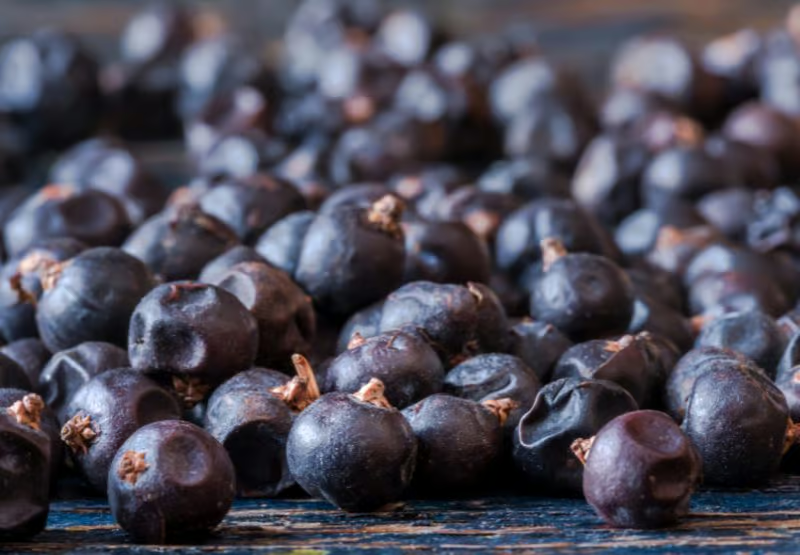
Cooling Grape Bitters
Cooling Grape Bitters exemplify the yin approach in TCM, focusing on draining excess heat and calming inflammation. Primarily composed of ingredients like Oregon grape root, Gentian, and Dandelion, cooling bitters soothe digestive discomfort and help balance metabolism when heat-related symptoms are present.
Applications:
Heat symptoms like flushed skin, bloating, and irritability.
Digestive challenges such as acid reflux and sluggish bowel movements.
Seasonal support during warmer months.
Cooling Grape Bitters
Cooling Grape Bitters exemplify the yin approach in TCM, focusing on draining excess heat and calming inflammation. Primarily composed of ingredients like Oregon grape root, Gentian, and Dandelion, cooling bitters soothe digestive discomfort and help balance metabolism when heat-related symptoms are present.
Applications:
Heat symptoms like flushed skin, bloating, and irritability.
Digestive challenges such as acid reflux and sluggish bowel movements.
Seasonal support during warmer months.
Swedish Bitters
Swedish Bitters embody the yang approach, designed to invigorate digestion and stimulate circulation, making it a perfect choice for cold constitutions. This warming formulation includes Angelica root, Myrrh, and Saffron, which promote warmth and digestive fire.
Applications:
Cold symptoms like fatigue, cold extremities, and poor appetite.
Digestive sluggishness with bloating or undigested food in the stool.
Post-illness periods or support in winter months.
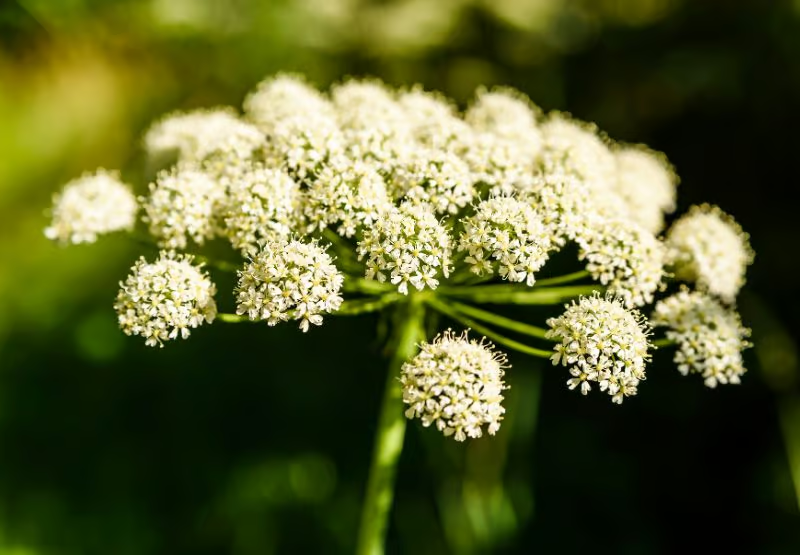
Swedish Bitters
Swedish Bitters embody the yang approach, designed to invigorate digestion and stimulate circulation, making it a perfect choice for cold constitutions. This warming formulation includes Angelica root, Myrrh, and Saffron, which promote warmth and digestive fire.
Applications:
Cold symptoms like fatigue, cold extremities, and poor appetite.
Digestive sluggishness with bloating or undigested food in the stool.
Post-illness periods or support in winter months.
Appearance and Ingredients
Digestive bitters vary depending on their energetic focus—cooling or warming. Below are notable features:
Key Ingredients: Cooling Grape Bitters
- Oregon Grape Root: Potently cooling and supports liver health.
Gentian: Stimulates digestive enzymes while soothing heat.
Cardamom and Anise Seed: Aromatic elements for mild warming balance.
Key Ingredients: Swedish Bitters
Angelica Root: Warming and circulatory stimulant.
Saffron: Gentle warmth with mood-elevating properties.
Camphor: Opens channels and enhances circulation.
Each formulation uses botanicals selected for their energetic properties, ensuring they target specific constitutional needs effectively.
📞 Schedule Your Free Discovery Call Today
Curious about which digestive bitters are right for you? Whether you need Cooling Grape Bitters to calm digestion or Swedish Bitters to restore warmth, we’re here to help. Book a FREE discovery video meeting today!
Clinical Applications of Digestive Bitters
Beneficial Mechanisms
Digestive bitters stimulate bitter taste receptors (T2Rs), initiating multiple processes that improve digestion and metabolic health:
Digestive Reflexes: Activates salivation and bile secretion to support nutrient absorption.
Hormonal Modulation: Enhances GLP-1 release, helping regulate blood sugar and improve satiety.
Microbiome Effects: Promotes beneficial bacteria (Akkermansia, Lactobacillus) while reducing harmful strains (H. pylori).
Modern research validates bitters’ effectiveness for addressing:
Gastroparesis (impaired gastric emptying).
Postprandial blood glucose spikes, reducing energy intake and improving metabolic health.
Inflammation-related symptoms, including those driven by oxidative stress.
Clinical Studies
Regulation of Blood Sugar Levels

Bitters lower post-meal blood glucose levels:
Clinical evidence shows that certain bitter phytochemicals can reduce blood glucose levels by activating bitter receptors in the gut. These receptors stimulate secretion of glucagon-like peptide-1 (GLP-1), which improves insulin secretion and glucose regulation. Bitter melon, a notable bitter substance, has also been shown to lower blood glucose levels and improve insulin sensitivity.
Stimulate GLP-1 and satiety hormones for appetite regulation:
Bitter compounds have been studied for their capacity to regulate appetite by increasing GLP-1 secretion and other satiety hormones that signal fullness, which may help manage obesity and related metabolic conditions.
Bitters lower post-meal blood glucose levels:
Clinical evidence shows that certain bitter phytochemicals can reduce blood glucose levels by activating bitter receptors in the gut. These receptors stimulate secretion of glucagon-like peptide-1 (GLP-1), which improves insulin secretion and glucose regulation. Bitter melon, a notable bitter substance, has also been shown to lower blood glucose levels and improve insulin sensitivity.
Stimulate GLP-1 and satiety hormones for appetite regulation:
Bitter compounds have been studied for their capacity to regulate appetite by increasing GLP-1 secretion and other satiety hormones that signal fullness, which may help manage obesity and related metabolic conditions.
Digestive Enhancement
Stimulate enzyme secretion and bile flow
Bitters improve digestive function by stimulating enzyme production and bile secretion. This is tied to the activation of intestinal bitter receptors, which promote digestion and improve nutrient absorption.
Improve absorption and gut motility:
Studies indicate strong links between bitter compounds and enhanced gut motility. This function supports better processing of food and may alleviate conditions such as bloating or constipation.
Anti-inflammatory & Antioxidant Effects
Combat oxidative stress and reduce pro-inflammatory markers:
Bitters frequently contain antioxidants and anti-inflammatory compounds, such as flavonoids, which help reduce oxidative stress and pro-inflammatory markers. This supports their use in preventing damage associated with chronic conditions like diabetes and cardiovascular diseases.
Protect cells from chronic damage:
Research demonstrates that bitters improve cellular health by reducing oxidative stress and inflammation. For example, naringin, a bitter compound derived from citrus fruits, has shown both antioxidant and anti-inflammatory properties.
Constitutional Balancing
Cooling bitters help excess heat patterns:
While clinical studies specifically addressing “cooling bitters” are limited, Traditional Chinese Medicine (TCM) often uses bitter-tasting herbs to counteract heat patterns. Scientifically, the anti-inflammatory effects of bitters could explain their ability to balance inflammation and “cool” excessive heat.
Final Recommendations




Safety Considerations and Contraindications:
Cooling Bitters Cautions:
- May worsen digestive weakness in cold constitutions
- Oregon grape contains berberine – avoid in pregnancy and lactation
- May interact with medications metabolized by CYP450 enzymes
- Can cause loose stools in sensitive individuals
Swedish Bitters Cautions:
- Contains senna and aloe – laxative effects possible
- Not recommended during pregnancy or lactation
- Camphor content requires caution in children
- May exacerbate heat conditions if used inappropriately
- Alcohol content (traditional preparations) requires consideration
Disclaimer: There is no “one size fits all” when it comes to recommending Digestive Bitters. Because of this, Nancy recommends Booking a 15 Minute Discovery call if you’re interested in taking this wonderful herb. It’s important to consult with a registered clinical herbalist or natural health practitioner trained in clinical herbalism for more resistant and deeper set health issues. They will be able to give a more tailored suggested serving and daily frequency based on your age, gender, body weight, and any present medical conditions.
Resources
Bitters: Time for a New Paradigm | Effects of Bitter Substances on GI Function, Energy Intake, and Glycaemia—Do Preclinical Findings Translate to Outcomes in Humans? | Do Digestive Bitters Work? | Anticancer bioactivity of compounds from medicinal plants used in European medieval traditions | Swedish bitters | Maria Treben Herbs | Swedish Bitters Benefits | Swedish bitter: Herbal miracle for every home medicine cabinet | Eating with Yin and Yang: Understanding Chinese Medicine Nutrition | The Five Flavors of TCM | TCM Food Energetics: Choosing Foods According to Their Properties | How Traditional Chinese Medicine views aperitifs and herbal bitters | What to Eat for Major Heat | How Digestive Bitters Can Optimize Your Gut Health | Bitters: Why herbalists love them and how they help digestion | A Definitive Guide to Bitters · Holistic Herbalism Podcast | Digestive Bitters ~ an important piece of the puzzle | Swedish Bitters: A herbal tonic | Chamomile benefits | The Energetics of Food in Traditional Chinese Medicine