
Saffron
History of Saffron
Ancient Roots in Healing
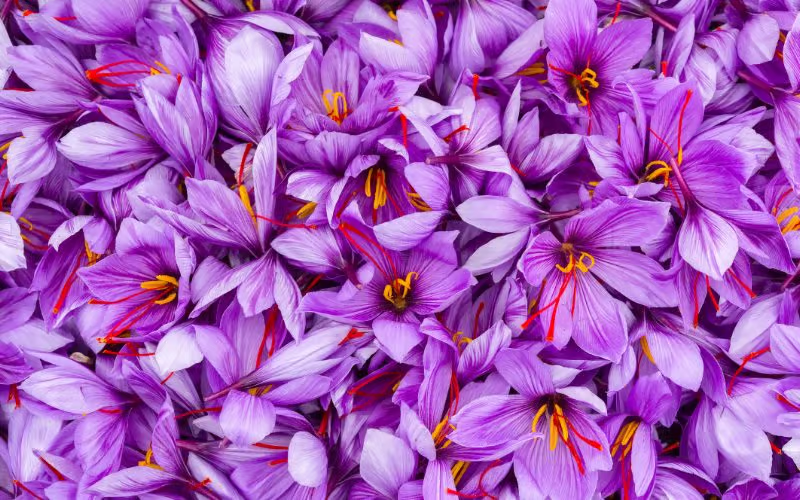
Saffron, derived from the Crocus sativus flower, has been revered for centuries for its vibrant golden color and remarkable health benefits. Known as the “Golden Spice,” saffron holds a special place in ancient medicine across Egypt, Greece, Persia, and India. Historical accounts depict saffron as both a ceremonial offering and a remedy for various ailments. For instance, frescoes from Santorini show saffron being offered to the goddess Thera, symbolizing its healing properties.
Traditional medicine across cultures used saffron for managing conditions like menstrual discomfort, mood enhancement, and inflammation. Thanks to modern research, we now know that the bioactive compounds in saffron—crocin, crocetin, safranal, and picrocrocin—contribute to its diverse range of physiological benefits. These include supporting mental health, reproductive wellness, and metabolic balance.
Traditional Use
Saffron’s versatility in traditional medicine is well-documented. Here are some of the most notable applications:
Mood Enhancement: Historically, saffron was prized for its ability to uplift spirits, treat mild depression, and alleviate anxiety.
Digestive Support: It was known to soothe gastrointestinal issues, reduce inflammation, and improve gut health.
Reproductive Health: Used to regulate hormones, promote fertility, and ease menstrual symptoms.
Neuroprotection: Believed to enhance cognitive function and treat insomnia, it played a role in managing nervous system disorders.
Weight Management: Persian medicine recognized saffron’s ability to suppress appetite, a property now validated by modern anti-obesity research.
Antioxidant Effects: Incorporated in traditional remedies to combat oxidative stress and age-related ailments.
Modern science is now catching up with these ancient practices, with clinical trials showing saffron’s potential in managing diabetes, obesity, depression, and age-related disorders.
Appearance and Growth
Botanical Description
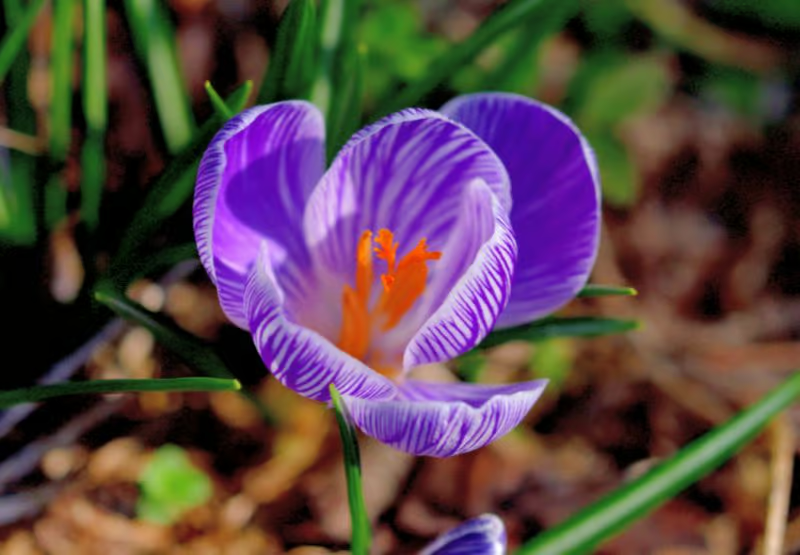
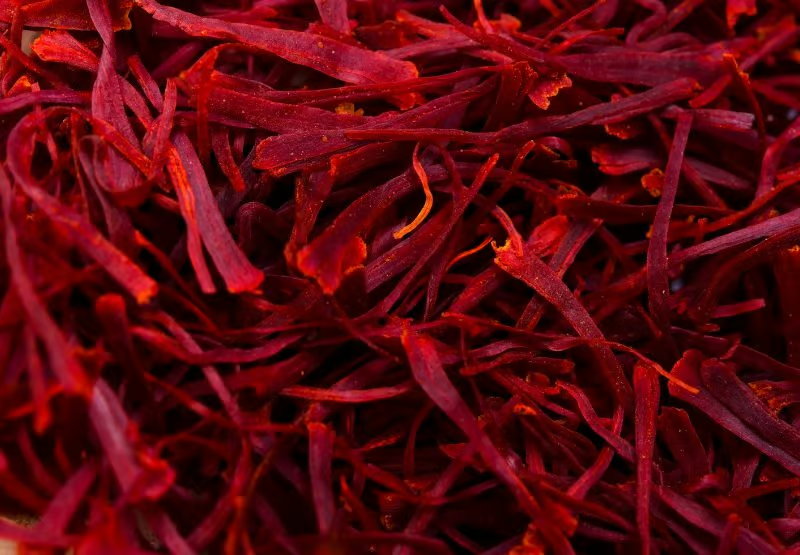
Saffron is harvested from the dried stigmas of the Crocus sativus flower, a plant characterized by the following features:
Stems: Thin yet sturdy, supporting vibrant blooms.
Flowers: Purple petals with bright red stigmas, which are harvested as saffron threads.
Leaves: Long, slender, and grasslike.
Height: Grows up to 30 cm and blooms in the fall.
Natural Habitat
The Crocus sativus flower thrives in warm climates with ample sunlight, particularly in countries like Iran (the world’s largest producer), India, Greece, and Morocco. Cultivation is labor-intensive, as each stigma is hand-harvested, making saffron the most expensive spice in the world. However, its value extends beyond price, as the plant plays an important role in supporting local ecosystems and providing economic benefits to the regions where it is grown.
📞 Schedule Your Free Discovery Call Today
Curious to learn how saffron can improve your health? Book a FREE discovery video meeting today!
Clinical Applications of Saffron
Beneficial Chemical Constituents
The therapeutic potential of saffron lies in its bioactive compounds:
Crocin & Crocetin: Potent antioxidants that protect against oxidative stress and promote metabolic health.
Safranal: Known for its mood-enhancing and neuroprotective properties.
Picrocrocin: Stimulates digestion and supports metabolic regulation.
Flavonoids & Carotenoids: Play a role in reducing inflammation and boosting immunity.
Medicinal Properties and Uses
Extensively studied for its medicinal properties, this remarkable spice has demonstrated significant health benefits across multiple areas. It serves as a natural antidepressant, enhancing mood by boosting serotonin levels while aiding in the treatment of depression and anxiety. Its neuroprotective effects make it promising for managing Alzheimer’s and improving overall cognitive function. Anti-inflammatory properties benefit digestive health by reducing inflammation, regulating enzyme activity, and even showing potential in preventing colon and gastric cancers. Studies have validated its role in suppressing appetite, reducing cravings for sweets, and supporting fat metabolism, making it effective for addressing obesity and improving lipid profiles. Rich in antioxidants like crocin and safranal, it combats oxidative stress and inflammation, helping prevent chronic conditions such as diabetes, arthritis, and cardiovascular diseases. Lastly, its ability to regulate hormones, ease menstrual discomfort, and support fertility highlights its importance in reproductive health for both men and women.
Neuroprotective Properties
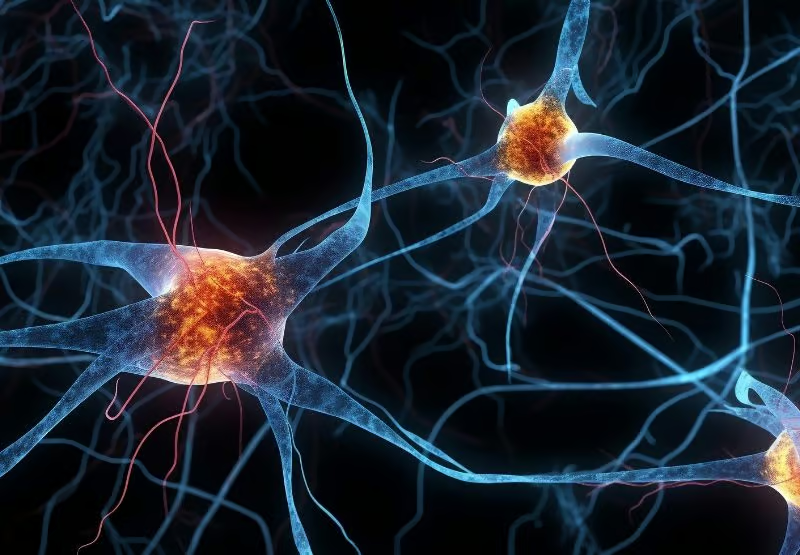
Recent research highlights saffron’s ability to reduce anxiety, improve sleep quality, and combat depression. A recent study confirms that saffron extract improves sleep cycles and mood regulation, demonstrating its effectiveness in enhancing sleep quality and reducing symptoms of depression. Additionally, other studies (1)(2) provide evidence of saffron’s anxiolytic and antidepressant properties, which are attributed to its potent antioxidant and neuroprotective effects. Furthermore, saffron’s memory-enhancing properties make it a potential complementary therapy for Alzheimer’s disease. Research shows that crocin, a primary component of saffron, improves memory and learning capabilities. Supporting this, another study highlights crocetin’s ability to cross the blood-brain barrier, protecting brain tissues and aiding in the management of neurodegenerative diseases like Alzheimer’s.
Recent research highlights saffron’s ability to reduce anxiety, improve sleep quality, and combat depression. A recent study confirms that saffron extract improves sleep cycles and mood regulation, demonstrating its effectiveness in enhancing sleep quality and reducing symptoms of depression. Additionally, other studies (1)(2) provide evidence of saffron’s anxiolytic and antidepressant properties, which are attributed to its potent antioxidant and neuroprotective effects. Furthermore, saffron’s memory-enhancing properties make it a potential complementary therapy for Alzheimer’s disease. Research shows that crocin, a primary component of saffron, improves memory and learning capabilities. Supporting this, another study highlights crocetin’s ability to cross the blood-brain barrier, protecting brain tissues and aiding in the management of neurodegenerative diseases like Alzheimer’s.
Anti-Obesity Research
Saffron’s traditional use as an appetite suppressant in Persian medicine has been validated by modern clinical research. One study highlights saffron’s ability to significantly reduce snacking and curb cravings, aiding in appetite control and fostering healthier eating habits. Beyond appetite suppression, saffron has also been shown to influence fat metabolism, making it a promising natural option for weight management. Another study reveals that saffron enhances lipid metabolism and reduces fat accumulation by regulating key metabolic pathways. These findings align with additional evidence from the first study, which illustrates saffron’s potential to lower fat mass, improve insulin sensitivity, and inhibit the formation of fat cells (adipocyte differentiation).
Cardiovascular Benefits

Saffron’s cardio-protective effects have been well-documented, with research highlighting its ability to regulate cholesterol levels, reduce oxidative stress, and protect heart tissues. One study emphasizes saffron’s potent antioxidant properties, which enhance cardiovascular health by combating oxidative damage. Another study explores saffron’s role in safeguarding heart tissues and preventing damage caused by high cholesterol. Additionally, the hypolipidemic effects of crocetin, a key compound in saffron, have been shown to lower lipid levels and reduce cardiovascular risks. Supporting these findings, animal studies further demonstrate saffron’s ability to inhibit atherosclerosis and mitigate oxidative damage, making it a promising natural remedy for preventing heart disease and related complications.
Saffron’s cardio-protective effects have been well-documented, with research highlighting its ability to regulate cholesterol levels, reduce oxidative stress, and protect heart tissues. One study emphasizes saffron’s potent antioxidant properties, which enhance cardiovascular health by combating oxidative damage. Another study explores saffron’s role in safeguarding heart tissues and preventing damage caused by high cholesterol. Additionally, the hypolipidemic effects of crocetin, a key compound in saffron, have been shown to lower lipid levels and reduce cardiovascular risks. Supporting these findings, animal studies further demonstrate saffron’s ability to inhibit atherosclerosis and mitigate oxidative damage, making it a promising natural remedy for preventing heart disease and related complications.
Final Recommendations
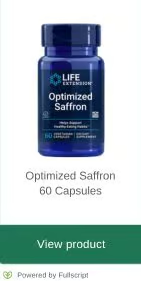
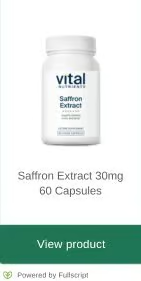
Here are Nancy’s Saffron recommendations:
Some Precautions with Saffron:
1. Recommended Dosage: Saffron is generally safe when consumed within the recommended daily dosage of 30 mg or less. Higher doses, typically above 5 grams, may lead to toxicity and adverse effects such as nausea, vomiting, and dizziness. Extremely high doses (10 grams or more) can be fatal.
2. Allergic Reactions: Individuals allergic to certain plants in the Iridaceae family may experience allergic reactions to saffron. Typical symptoms include itching, skin rashes, or respiratory distress after ingestion.
3. Pregnancy and Breastfeeding: Pregnant women should avoid high doses of saffron, as it can stimulate uterine contractions, potentially leading to miscarriage. While small amounts in food are generally safe, consult with a healthcare provider before using saffron supplements. Limited data exists on saffron’s safety during breastfeeding, so it’s best to exercise caution.
4. Drug Interactions: Saffron may interact with certain medications, particularly:
- Blood pressure medications, as it may lower blood pressure further, causing hypotension.
- Antidepressants, since saffron also influences mood-regulating neurotransmitters, which can lead to excessive effects when combined.
- Blood-thinning medications, as saffron may enhance anticoagulant properties and increase the risk of excessive bleeding.
5. Risks for Specific Conditions: Individuals with low blood pressure (hypotension) should be cautious, as saffron may further lower blood pressure levels. Additionally, people with kidney or liver disorders should use saffron cautiously, as excessive consumption may strain organ functions.
6. Quality Concerns: Adulteration of saffron is a common problem. Always purchase saffron from reputable sources to avoid consuming fake products, which may contain harmful substances or lack the desired health benefits.
Disclaimer: There is no “one size fits all” when it comes to recommending Saffron. Because of this, Nancy recommends Booking a 15 Minute Discovery call if you’re interested in taking this wonderful herb. It’s important to consult with a registered clinical herbalist or natural health practitioner trained in clinical herbalism for more resistant and deeper set health issues. They will be able to give a more tailored suggested serving and daily frequency based on your age, gender, body weight, and any present medical conditions.
Resources
Inhibitory effect of saffron, crocin, crocetin, and safranal against adipocyte differentiation in human adipose-derived stem cells | Saffron: The Golden Spice with Therapeutic Properties on Digestive Diseases | Effects of Saffron Extract on Sleep Quality: A Randomized Double-Blind Controlled Clinical Trial | Saffron: An Old Medicinal Plant and a Potential Novel Functional Food | Saffron extract as an emerging novel therapeutic option in reproduction and sexual health: recent advances and future prospectives | Saffron (Crocus sativus) and its Active Ingredients: Role in the Prevention and Treatment of Disease