
Bupleurum
History of Bupleurum
Ancient Roots in Healing
Bupleurum, also known as Chai hu, Thorowax root, Saiko, and Hare’s ear root, has been a cornerstone of traditional herbal medicine for over 2,000 years. Renowned as one of the most versatile medicinal herbs, it holds a prominent place in Traditional Chinese Medicine (TCM) and Japanese Kampo medicine. Bupleurum is celebrated for its ability to promote the free flow of qi (energy) and blood, ensuring balance and harmony within the body.
A primary ingredient in “Xia Yao San” (commonly translated as “Free and Easy Wanderer”), a highly regarded TCM formulation, Bupleurum embodies Taoist values of adaptation and mental ease. Its use predates written records, highlighting its longevity and its historical importance in ancient healing practices.
Traditional healers across China and Japan prized Bupleurum for its ability to treat a wide range of ailments, most notably liver diseases, inflammatory disorders, and fever. Over time, Bupleurum has proven its value in addressing conditions such as irregular menstruation, rectal prolapse, and thoracolumbar pain.
Modern scientific research has confirmed the benefits of this ancient herb. Its bioactive compounds, including saikosaponins, polysaccharides, flavonoids, and volatile oils, are responsible for its impressive health benefits. These components form the foundation of its anti-inflammatory, antiviral, anti-tumor, and neuroprotective effects.
Traditional Use
Historical usage of Bupleurum underscores its wide-ranging benefits, many of which remain relevant today:
Liver Health: Bupleurum has long been associated with detoxifying and strengthening the liver, often used to treat hepatitis and fatty liver disease, and even liver cancer.
Anti-Inflammatory Benefits: It is recognized for reducing inflammation and managing pain effectively.
Fevers and Viral Infections: A longstanding treatment for fevers, it is recognized for its antiviral properties.
Reproductive Health: It has been used to ease irregular menstruation and manage hormonal imbalances, including depression caused by PMS or menopause.
Adrenal Gland Support: It boosts adrenal function, aiding in stress management and energy regulation.
Mental and Cognitive Balance: Believed to soothe the mind and reduce anxiety, linking it to some mood-enhancing effects in traditional practices.
Appearance and Growth
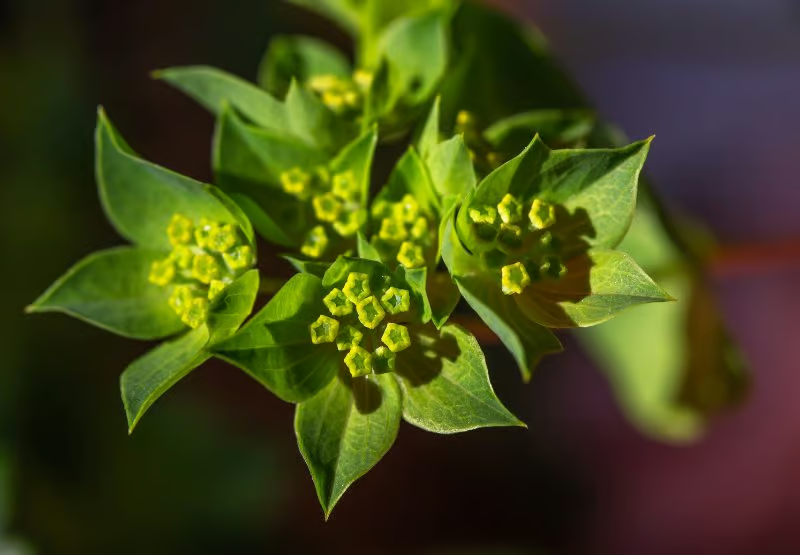
Botanical Description
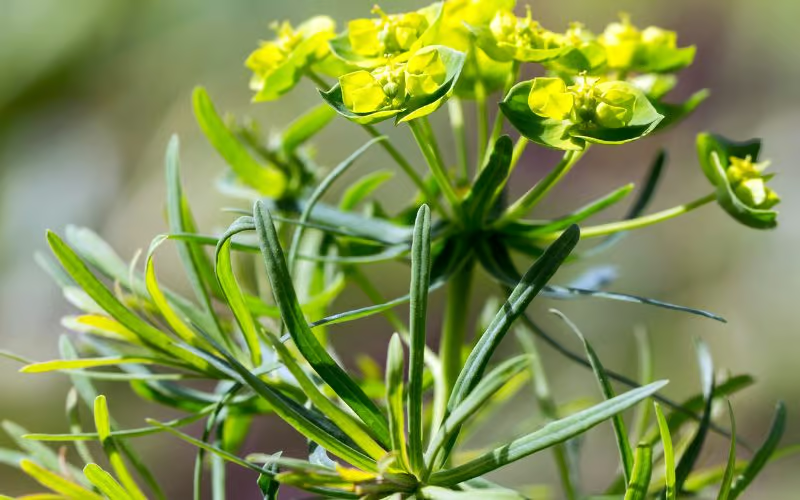
Bupleurum, a hardy perennial and a member of the Apiaceae family, is both medicinal and ornamental, highly regarded for its striking features:
Stems: Upright and slender, supporting clusters of small, delicate flowers.
Leaves: Green, smooth, and sickle-shaped, resembling fennel or dill.
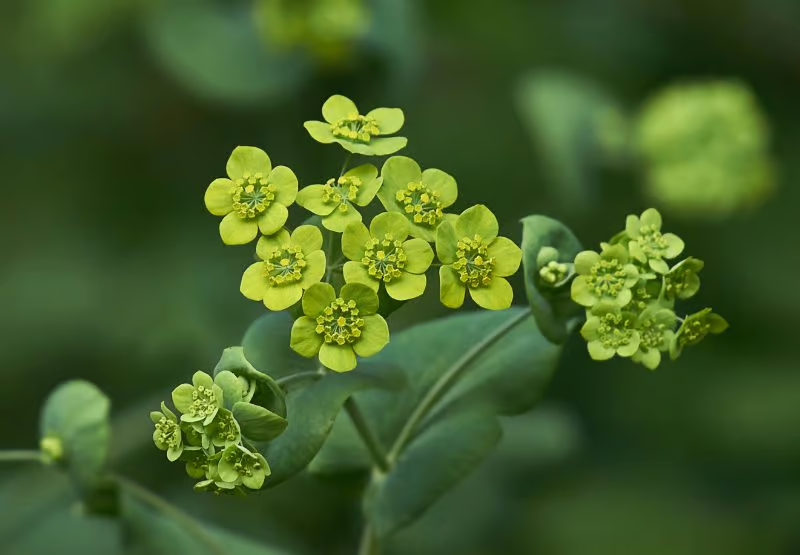
Flowers: Small clusters of greenish-yellow blooms that adorn the plant during its blooming season.
Fruit: After flowering, the plant produces small, cylindrical fruit.
Roots: Bright yellow and bitter, Bupleurum roots are typically dried and processed for medicinal use.
In addition to its medicinal merits, Bupleurum flowers are popular in the floral industry, frequently featured in wedding bouquets thanks to their delicate beauty.
Natural Habitat
Bupleurum is native to Asia and parts of Europe. It thrives in temperate climates with abundant sunlight and typically grows to a height of 30cm to 100cm.
This plant’s environmental adaptability, paired with its ornamental and medicinal qualities, has secured Bupleurum’s position as a valued herb across the globe.
As wonderful as Bupleurum is for supporting liver health and balance, it’s even more powerful as part of a holistic approach to seasonal cleansing. Spring is the perfect time for renewal and detoxification, and Bupleurum is one of the products featured in our Guided Spring Cleanse, which launched with the Spring Equinox in our Herbal Answers® app! Learn more about the Guided Spring Cleanse here >>
📞 Schedule Your Free Discovery Call Today
Curious about how Bupleurum could transform your wellness journey? Book a FREE discovery video meeting today!
Clinical Applications of Bupleurum
Beneficial Chemical Constituents
The therapeutic potential of Bupleurum resides in its biologically active compounds:
Saikosaponins: Potent anti-inflammatory agents and immune boosters that contribute to liver health, neuroprotection, and cancer prevention.
Polysaccharides: Enhance the immune system and provide antiviral effects.
Flavonoids: Deliver strong antioxidant and anti-inflammatory benefits.
Volatile Oils: Contribute to calming effects and additional immune support.
Liver Health
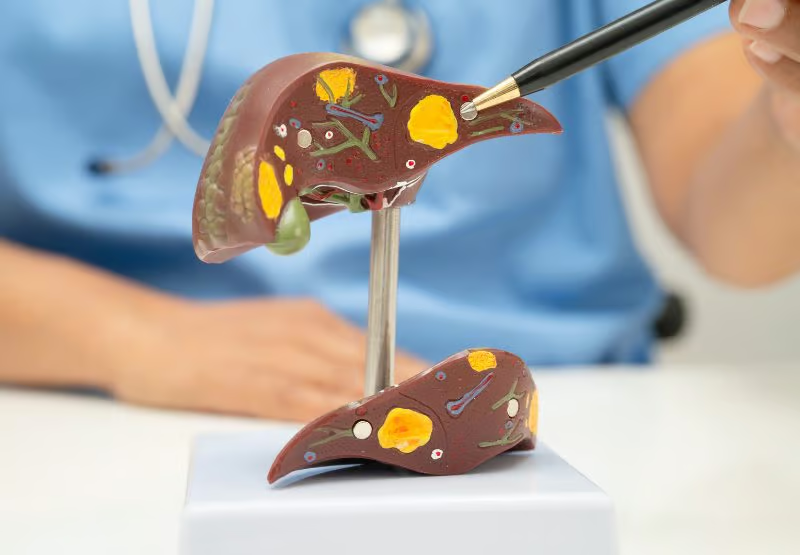
Bupleurum is extensively utilized in traditional medicine for its hepatoprotective properties, providing critical support to patients with liver conditions such as hepatitis or liver fibrosis. A 2019 study explored the effects of the traditional medicinal plant pair Bupleurum chinense and Scutellaria baicalensis (BS formula) on alcoholic liver injury (ALI) in rats, using metabolomics and metallomics techniques. The results indicated that the combined formula was more effective than its individual components, showing improved liver protection and reduced oxidative damage by regulating biochemical pathways and selenium distribution in the liver. This research highlights the synergistic benefits of herbal pairings in TCM for treating liver-related diseases.
Furthermore...
A 2017 study explored the hepatoprotective effects of Bupleurum species, particularly focusing on their bioactive compounds such as saikosaponins. The results demonstrated significant liver protection through modulation of oxidative stress, immune responses, and inflammation. However, the study emphasized the importance of dosage control, as excessive or prolonged use of Bupleurum preparations may lead to hepatotoxic effects. This research highlights the dual role of Bupleurum, illustrating its ability to provide therapeutic benefits while requiring cautious application to minimize risks.
Bupleurum is extensively utilized in traditional medicine for its hepatoprotective properties, providing critical support to patients with liver conditions such as hepatitis or liver fibrosis. A 2019 study explored the effects of the traditional medicinal plant pair Bupleurum chinense and Scutellaria baicalensis (BS formula) on alcoholic liver injury (ALI) in rats, using metabolomics and metallomics techniques. The results indicated that the combined formula was more effective than its individual components, showing improved liver protection and reduced oxidative damage by regulating biochemical pathways and selenium distribution in the liver. This research highlights the synergistic benefits of herbal pairings in TCM for treating liver-related diseases.
Furthermore...
A 2017 study explored the hepatoprotective effects of Bupleurum species, particularly focusing on their bioactive compounds such as saikosaponins. The results demonstrated significant liver protection through modulation of oxidative stress, immune responses, and inflammation. However, the study emphasized the importance of dosage control, as excessive or prolonged use of Bupleurum preparations may lead to hepatotoxic effects. This research highlights the dual role of Bupleurum, illustrating its ability to provide therapeutic benefits while requiring cautious application to minimize risks.
Neuroprotection and Mental Health
According to recent research, Bupleurum chinense, particularly its root (Radix Bupleuri/Chai Hu), has been used in Traditional Chinese Medicine (TCM) for centuries to treat depression and mental health disorders, often as part of combination formulas like Chaihu–Shugan–San (CSS) and Chaihu–Baishao. Its bioactive compounds, especially saikosaponins (A, C, D), exhibit anti-inflammatory and antioxidant properties by suppressing pathways like NF-κB and MAPK, reducing brain inflammation and oxidative stress. These mechanisms are associated with neuroprotection, enhancing HPA axis regulation, hippocampal neurogenesis, and increasing BDNF and serotonin (5-HT) levels—factors essential for maintaining brain health and resilience against stress and depression. Preclinical studies indicate that Bupleurum-based formulas may not only improve depressive symptoms but also indirectly support appetite regulation and protect against inflammatory neurodegenerative processes, demonstrating its potential role in mental health treatment.
As reported in a comprehensive review published in 2024, these natural compounds found in Bupleurum play a significant role in restoring neurotransmitter balance and regulating stress responses, including modulation of the hypothalamic-pituitary-adrenal (HPA) axis. This connection is key to reducing symptoms of anxiety, depression, and other stress-related mental health disorders. Together, both studies provide evidence that natural compounds, such as those found in Bupleurum, offer substantial neuroprotective benefits while also addressing the inflammatory and biochemical imbalances linked to mental health challenges.
Anti-Inflammatory Effects
Bupleurum has been revered for centuries in traditional Chinese medicine for its ability to support immune health and combat inflammation. One 2019 study investigated the antioxidant, anti-inflammatory, and immunomodulatory effects of a methanolic extract from the roots of Bupleurum rotundifolium. The extract showed strong antioxidant activity by reducing reactive oxygen species (ROS) and removing excess iron, helping reduce oxidative stress. It demonstrated anti-inflammatory effects by regulating prostaglandin production and blocking NF-κB activation, which plays a key role in inflammation. Additionally, the extract promoted the differentiation of monocytes (immune cells) into macrophage-like cells and influenced cytokine secretion. Specifically, it shifted immune responses toward an anti-inflammatory Th2 profile, suggesting potential benefits for resolving excessive inflammation. These findings indicate that Bupleurum rotundifolium root extract may support inflammation control, oxidative stress management, and overall immune health.
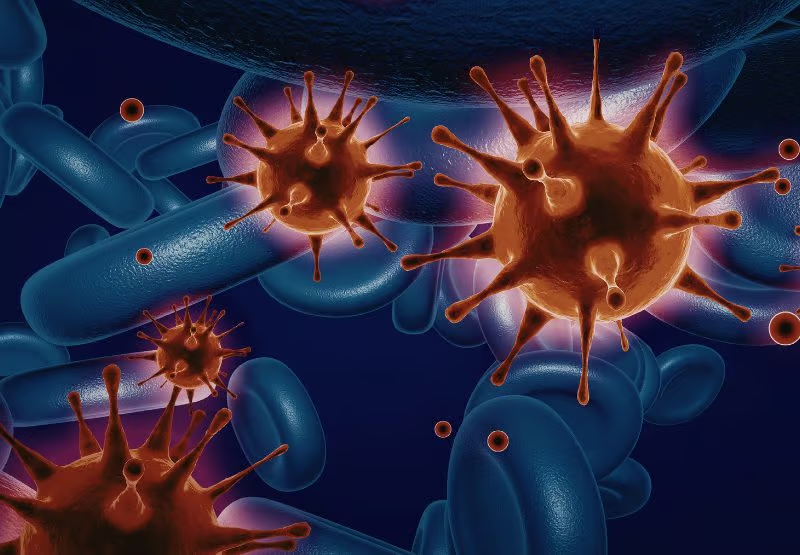
Building on this, another study published in 2013 looked at how natural compounds from the plant Bupleurum smithii var. parvifolium can help reduce inflammation caused by bacterial toxins. These compounds, called Bupleurum polysaccharides (BPs), work by calming an overactive immune response and blocking certain signals that trigger inflammation. BPs also help immune cells, like macrophages, fight infections better. In tests with animals suffering from lung damage caused by bacterial toxins, BPs helped reduce inflammation and protect the lungs. This suggests that BPs might be useful in treating diseases like sepsis or severe lung issues caused by inflammation.
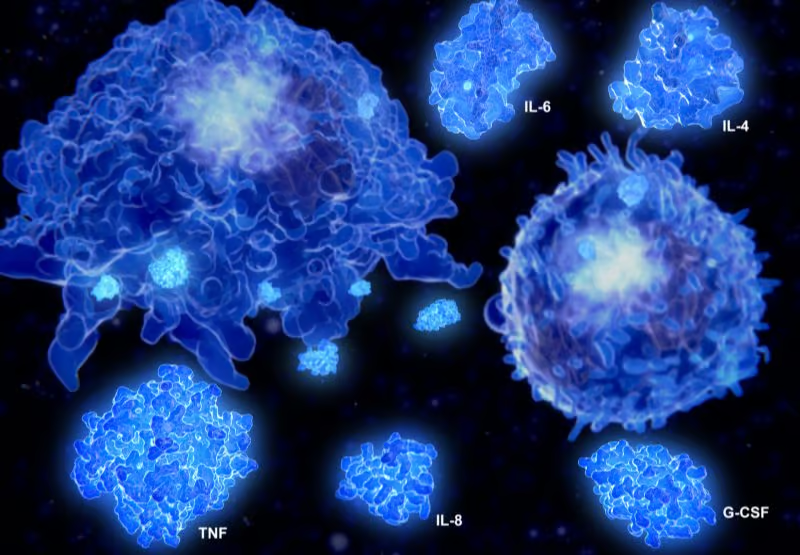
Similarly, a 2018 study looked at how Saikosaponin A (SSA), a natural compound from the plant Bupleurum falcatum, can help with inflammation of the uterus lining (called endometritis) caused by bacterial toxins in mice. SSA helped protect the uterus tissue from damage, reduced inflammation-related enzymes, and lowered the levels of chemicals that trigger inflammation, like TNF-α, IL-1ß, and IL-6. It worked by blocking pathways that cause inflammation and activating protective processes in the body. This means SSA might be useful as a treatment for infections that lead to uterine inflammation.
Bupleurum continues to demonstrate its promise as a natural solution for various inflammation-driven health issues, whether it’s addressing bacterial toxin-induced lung damage, chronic oxidative stress, or other forms of inflammation
Antitumor Effect
Recent scientific studies have highlighted Bupleurum’s promising antitumor properties, unveiling its bioactive compounds and mechanisms that effectively inhibit tumor growth and progression. In a recent 2022 study, they looked at how extracts from Bupleurum (specifically its saponins) could fight colon cancer by testing them on two different types of colon cancer cells (SW480 and SW620). The extracts were found to slow down the growth of cancer cells and trigger their death by activating proteins that promote cell death (like Bax and Caspase) while reducing proteins that prevent it (like Bcl-2). The researchers also discovered that the extracts work by targeting a key system in the body, the PI3K/Akt/mTOR pathway, which cancer cells use to grow and survive. By blocking this pathway, the Bupleurum extracts showed strong anti-cancer effects, suggesting that they could be a natural and less toxic option for treating colon cancer.
Another recent 2025 study reviewed the antitumor effects of Radix Bupleuri on breast cancer. Its active compounds—including saikosaponins, polysaccharides, and flavonoids—have shown potential in inhibiting breast cancer cell proliferation, promoting apoptosis, reducing metastasis, improving the tumor microenvironment, and overcoming chemotherapy resistance. Notably, saikosaponins were found to induce cell death and arrest the cancer cell cycle by targeting key pathways like p53/p21 and MAPK signaling. Polysaccharides and flavonoids contribute to the anticancer effects with their anti-inflammatory, immunomodulatory, and antioxidant properties. While significant anticancer activity has been observed in lab studies (in vitro), research involving living organisms (in vivo) remains limited. The findings highlight Radix Bupleuri’s potential not only as a natural cancer treatment but also as an enhancer for conventional therapies to improve outcomes and reduce side effects in breast cancer patients.
While the results from these studies highlight its significant antitumor properties and mechanisms, further investigation, particularly through in vivo research and clinical trials, is necessary to confirm its efficacy and safety. Nonetheless, Bupleurum’s natural origin and ability to target key cancer pathways suggest it could serve as a complementary or alternative option to conventional cancer treatments, offering new hope for improved patient outcomes with fewer side effects.
Final Recommendations
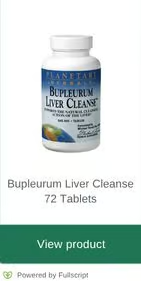
Here are Nancy’s Bupleurum recommendations:


Some Precautions with Bupleurum:
Potential Side Effects
Gastrointestinal Issues: Bupleurum may cause mild digestive side effects such as nausea, diarrhea, or abdominal discomfort, especially when taken in higher dosages.
Liver Toxicity: Some studies and case reports suggest that prolonged or excessive use of Bupleurum extracts, particularly at high doses, may lead to liver damage or elevated liver enzymes. Individuals with pre-existing liver conditions should exercise caution.
Dizziness or Fatigue: Certain individuals have reported dizziness or fatigue after taking Bupleurum products.
Allergic Reactions: Rarely, allergic reactions such as rashes or swelling may occur in individuals sensitive to components of the plant.
Pregnancy and Breastfeeding
The safety of Bupleurum during pregnancy and breastfeeding has not been extensively studied. Due to its potential effects on hormone regulation and immune activity, it is recommended to avoid use during these periods unless specifically instructed by a healthcare provider.
Drug Interactions
Immunosuppressants: Since Bupleurum has immunomodulating properties, it could potentially interfere with medications that suppress immune function (e.g., for autoimmune diseases or organ transplant rejection).
Anti-Cancer Medications: While Bupleurum may enhance chemotherapy efficacy, it’s essential to consult with a healthcare provider to avoid interactions or unexpected side effects.
Blood-Thinning Medications: Bupleurum may potentially affect blood clotting. If combined with anticoagulants (e.g., warfarin) or antiplatelet drugs, it could increase bleeding risks.
Pre-existing Conditions
People with autoimmune disorders (such as lupus or rheumatoid arthritis) should consult a healthcare professional, as Bupleurum’s immune-stimulating effects could worsen certain conditions.
Those with liver disease or kidney conditions should avoid high doses, as Bupleurum may put extra stress on these organs.
Disclaimer: There is no “one size fits all” when it comes to recommending Bupleurum. Because of this, Nancy recommends Booking a 15 Minute Discovery call if you’re interested in taking this wonderful herb. It’s important to consult with a registered clinical herbalist or natural health practitioner trained in clinical herbalism for more resistant and deeper set health issues. They will be able to give a more tailored suggested serving and daily frequency based on your age, gender, body weight, and any present medical conditions.
Resources
A comprehensive review on traditional and modern research of the genus Bupleurum (Bupleurum L., Apiaceae) in recent 10 years | Exploring the Therapeutic Potential of Bupleurum in Medical Treatment: A Comprehensive Overview | Genus Bupleurum: a review of its phytochemistry, pharmacology and modes of action | Bupleurum (Bupleurum chinense, B. spp.) | Bupleurum | Traditional use, germplasm identification, phytochemistry, pharmacology of Bupleuri Radix: a review | What Is Bupleurum? Benefits, Downsides, and Effectiveness | Bupleurum: The Detoxifying Ancient Herb that Boosts Liver Health