
Maca
History of Maca
Ancient Roots in Healing
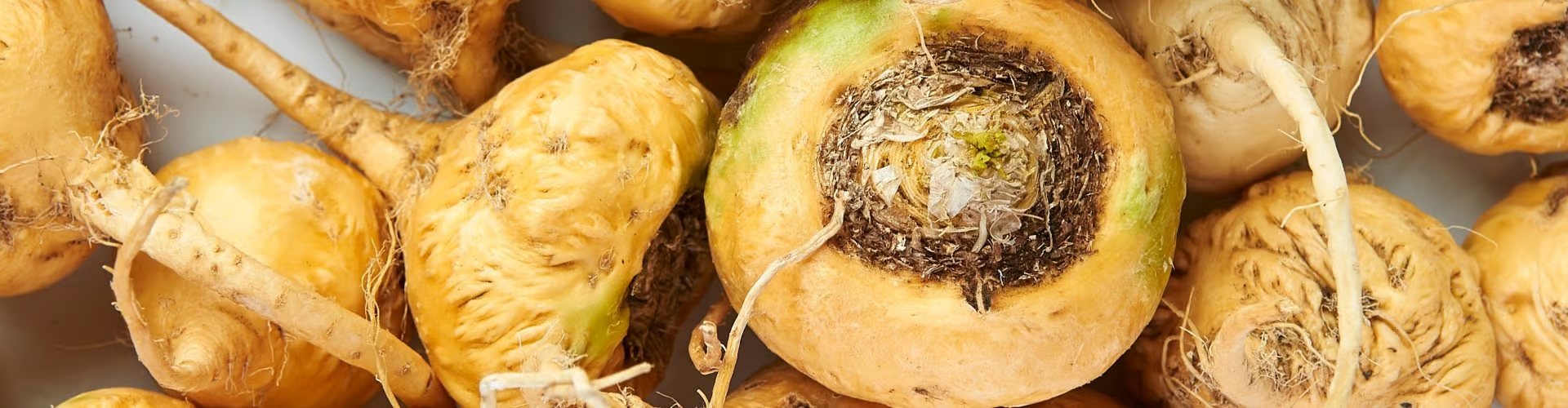
Maca root (Lepidium meyenii or Lepidium peruvianum Chacón), often referred to as the “Peruvian Ginseng,” is an extraordinary cruciferous vegetable that has been central to Peruvian highland communities for thousands of years. Indigenous peoples relied on maca not only as a staple food source but also as a traditional medicine to promote energy, fertility, and hormonal balance.
Thriving at elevations where most crops cannot survive, maca was viewed as a gift that supported physical endurance and vitality. Peruvian legend holds that warriors consumed maca before battles to enhance their strength. Today, its use has expanded globally, demonstrating its enduring relevance in modern wellness practices.
Modern Marketplace and International Trade
From ancient cultivation to modern health stores, maca has transitioned into the wellness spotlight. Its journey into integrative medicine began in 1997 following its introduction to a U.S. medical conference. Since then, its trade has seen exponential growth:
- Peru’s maca export revenue jumped from USD 1.4 million in 2001 to over USD 6.17 million by 2010, signaling global demand.
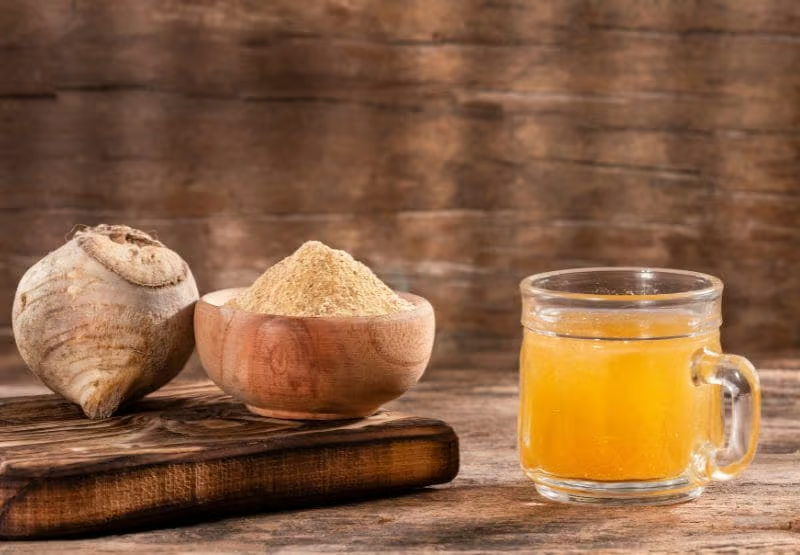
- Maca is now available worldwide in diverse formats such as whole powders, pre-gelatinized powders (for enhanced bioavailability), capsules, liquid extracts, and standardized formulations.
- It is marketed under the “superfood” label and sold in regions including the U.S., Europe, Australia, Japan, and Korea.
Additionally, recognizing its cultural and biological significance, Peru has placed maca on its official registry of indigenous protected plants while governing trade under both FAO and EU supplement guidelines.
Traditional Use
Maca’s versatility as a botanical medicine provides support across a range of physiological needs. Key traditional and modern applications include:
- Energy and Vitality: Often consumed to counter fatigue, maca is renowned for its ability to boost stamina and physical endurance.
- Fertility and Reproductive Health: Used historically as an aphrodisiac, maca is known to improve both male and female fertility by supporting hormonal balance and reproductive health.
- Menopause and Andropause: For women navigating menopause or men experiencing andropause, maca offers non-hormonal relief for symptoms such as hot flashes and mood fluctuations.
- Mood and Cognitive Support: Historical and emerging evidence highlights maca’s role in enhancing mood, reducing anxiety, and improving cognitive clarity.
- Bone Health: In traditional practices, maca was consumed to strengthen bones, and modern research points to its potential for osteoporosis prevention in hormone-depleted conditions.
Appearance and Growth
Botanical Description
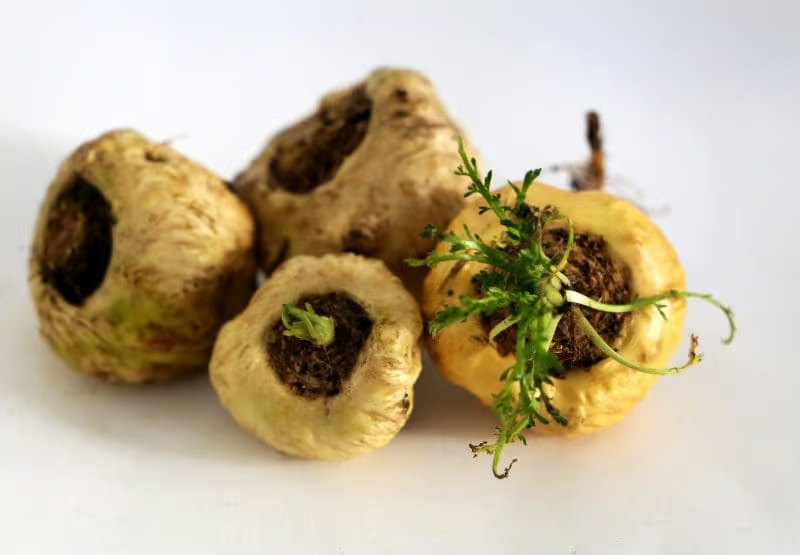
Maca grows as a hardy, resilient root vegetable adapted to the extreme environmental conditions of the Andes. Its key features include:
- Roots: A fleshy, bulb-like root resembling a turnip or radish and comes in a variety of colors, including cream, red, yellow, and black.
- Leaves: Short and sprawling, hugging the ground. This feature helps it survive the intense winds and rocky soil of its native environment.
- Height: The plant grows low to the ground, typically reaching no more than 12–20 cm.
Natural Habitat
Maca is uniquely suited to the harsh environment of the puna, the Andean high plain, where it grows at elevations exceeding 4,000 meters. This region is characterized by:
- Extreme cold temperatures
- High levels of UV radiation
- Low oxygen levels (thin atmosphere)
Maca is one of the few crops capable of thriving in such an unforgiving climate, underscoring its hardiness and adaptability. These harsh conditions are believed to contribute to the plant’s potent medicinal properties and nutrient density.
📞 Schedule Your Free Discovery Call Today
Curious about how maca can enhance your health and well-being? Book a FREE discovery video meeting today!
Clinical Applications of Maca
Beneficial Chemical Constituents
The therapeutic effects of maca stem from its complex array of bioactive compounds:
- Macamides & Macaenes: Lipidic compounds characteristic of maca, associated with neuroprotective, energizing, and mood-supportive effects and modulation of endocannabinoid-related pathways.
- Glucosinolates: Sulfur-containing compounds that break down into isothiocyanates, offering fertility-enhancing effects and potential anti-cancer properties, particularly for breast and stomach cancers.
- Thiohydantoins: Newly identified bioactive compounds with promising antiparasitic and anticancer activity.
- Phytosterols: These plant sterols stimulate endogenous hormone production via pituitary activation, contributing to hormonal balance.
- Minerals & Vitamins: Rich in calcium, potassium, iron, magnesium, phosphorus, and vitamin C, maca supports bone density, energy metabolism, and immune health.
- Amino Acids: High arginine content promotes nitric oxide production, aiding in cardiovascular health and sexual function.
- Antioxidants: Macamides, macaenes, and glucosinolates act as potent free radical scavengers, reducing oxidative stress and inflammation.
Medicinal Properties and Uses
- Hormonal Balance: Effective in alleviating hot flashes, mood swings, and other symptoms of menopause or andropause, maca supports hormonal equilibrium naturally without introducing external hormones.
- Energy and Endurance: Recognized for its energizing effects, maca boosts physical stamina and improves resilience against fatigue, making it ideal for athletes and those with demanding lifestyles.
- Mood and Cognitive Function: Maca has shown promise in reducing anxiety and depression symptoms while improving memory and learning, with black maca demonstrating enhanced cognitive benefits.
- Fertility and Reproductive Health: Studies attest to maca’s ability to improve sperm quality, motility, and count in men while supporting ovulation and menstrual health in women.
- Bone Health: Particularly effective for estrogen-depleted individuals, maca supports bone density and may help prevent osteoporosis.
- Anti-Cancer Potential: The glucosinolates in maca hydrolyze into benzyl isothiocyanate, showing inhibitory effects on certain cancers, including breast and stomach neoplasia.
- Antioxidant and Anti-Inflammatory Benefits: Maca’s bioactive compounds combat oxidative stress and inflammation, helping prevent chronic health conditions like cardiovascular diseases and arthritis.
Maca’s versatility as a functional food and medicine highlights its value for promoting systemic health, bolstering physical and mental well-being, and addressing midlife transitions gracefully.
Hormonal Balance and Menopause Support

Maca has garnered attention as a natural alternative to hormone replacement therapy (HRT) for women navigating the challenges of menopause, offering symptom relief without the risks associated with traditional hormonal interventions. Clinical studies validate its ability to reduce vasomotor symptoms, stabilize mood, and improve sexual health.
A systematic review by Lee et al. (2011) evaluated four randomized controlled trials focusing on peri- and postmenopausal women. Across all studies, maca supplementation showed significant reductions in menopausal symptoms as measured by the Kupperman Menopausal Index and the Greene Climacteric Scale. Women reported decreased hot flashes, fewer night sweats, and improved sleep quality.
The bone-protective effects of maca were highlighted in a study by Zhang et al. (2006), which examined its impact on ovariectomized rats. Maca supplementation led to increased bone mineral density, suggesting its potential to combat menopause-related osteoporosis. Importantly, maca did not cause uterine proliferation, a common side effect associated with estrogen-replacement therapies.
A double-blind placebo-controlled trial by Dording et al. (2015) addressed maca’s benefits for sexual function in postmenopausal women. Participants reported improvements in arousal, satisfaction, and overall sexual functioning, even as hormonal levels remained unaffected. These benefits were reflected in better scores on the ASEX (Arizona Sexual Experience Scale), confirming maca’s efficacy as a natural option for supporting sexual health during midlife.
Together, these findings position maca as a multi-functional herb for addressing both the physical and emotional challenges of menopause.
Andropause: Restoring Vitality in Men

Andropause, or age-related testosterone decline, presents challenges such as reduced libido, fatigue, depressive symptoms, and declining physical performance. Studies indicate that maca may support male hormonal health and vitality without interfering with serum testosterone levels.
Park et al. (2023) conducted a randomized, double-blind, placebo-controlled trial to assess maca’s effects on men suffering from late-onset hypogonadism (LOH). The 12-week study revealed significant improvements in LOH symptom scores and erectile function indices in the maca group compared to placebo. Secondary metrics, such as HDL cholesterol, LDL cholesterol, and body weight, also showed favorable changes, underlining maca’s metabolic benefits.
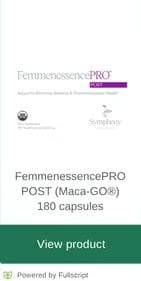
Similarly, a case series by Kim Ross et al. (2024) documented positive outcomes in two men diagnosed with low or borderline testosterone levels. After using phenotype-specific gelatinized maca (Maca-OG) for three months, both individuals experienced notable increases in testosterone, energy, mood stability, and fertility, including successful conception in one participant.
A clinical trial by Gonzales et al. (2000) further demonstrated maca’s ability to enhance sexual desire. Independent of changes in serum testosterone, men using maca reported improved libido and erectile function. This suggests maca’s mechanisms may involve nitric oxide bioavailability or enhanced energy generation rather than direct hormonal modulation.
These studies reinforce maca’s role as a natural option for men looking to counteract the physical and emotional challenges of andropause while maintaining hormonal balance.
Expanded Pharmacology: Beyond Hormones
Beyond its effects on hormonal health, maca possesses a variety of pharmacological properties that contribute to overall physical and mental well-being, including antioxidant activity, neuroprotection, and anti-cancer potential.
Mood and Stress Reduction
Maca’s adaptogenic effects on the hypothalamic-pituitary-adrenal (HPA) axis make it a valuable botanical for reducing stress and enhancing mood and cognitive resilience. Research by Lopez-Fando et al. (2004) demonstrated that methanolic extracts of maca significantly reduced the physiological effects of restraint stress in animal models. These effects included the normalization of corticosterone levels, reduced adrenal gland hypertrophy, and protection against stress-induced gastric ulcers. Similarly, Dording et al. (2008) found that high-dose maca supplementation contributed to a modest but significant improvement in depressive symptoms, as measured by reductions in HAM-D-17 depression scores in patients with remitted depression. These findings collectively highlight maca’s ability to modulate the HPA axis while alleviating the physical and emotional toll of chronic stress.
Mood and Sexual Function in Women on SSRIs
A systematic review by Aquino et al. (2025) explored maca’s role in alleviating sexual dysfunction caused by SSRI antidepressants. Women using maca experienced significant improvements in sexual satisfaction, arousal, and orgasmic function, despite no changes in serotonin receptor activity. This underscores maca’s restorative effects on sexual health through mechanisms beyond hormonal pathways.
Antioxidant Effects
Maca is abundant in active compounds such as glucosinolates, macamides, and macaenes, which exhibit significant antioxidant activities. Studies, including Ulloa del Carpio et al. (2024) and Sandoval et al. (2002), confirm maca’s efficacy in scavenging free radicals and diminishing oxidative stress. Ulloa del Carpio et al. (2024) specifically highlighted that maca’s antioxidant capacities, driven by its macamides and glucosinolates, can compare favorably to that of ascorbic acid in vitro. These antioxidant properties underscore maca’s potential role in protecting against age-related degenerative diseases, including cardiovascular conditions and neurodegenerative disorders.
Anti-Cancer Activity
Experimental data suggest that maca’s glucosinolate-derived isothiocyanates, particularly benzyl isothiocyanate, may inhibit carcinogenesis. As cited in the study by Meissner (2005), early work by Wattenberg (1981) demonstrated these compounds’ ability to suppress tumor development in mammary glands and the stomach. Notably, these anti-cancer effects occur without the estrogenic activity commonly associated with other botanicals like soy.
Final Recommendations
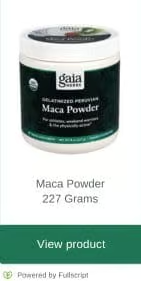
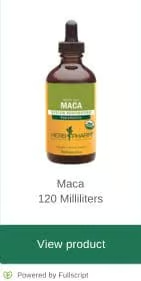
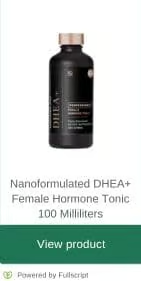
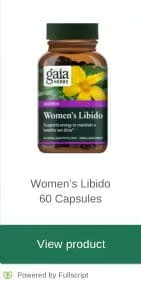
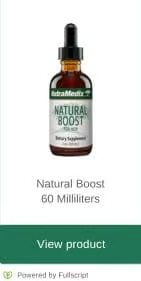
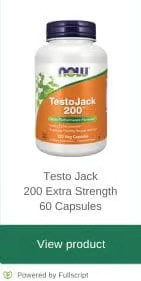
Here are Nancy’s Maca recommendations:

Some Precautions with Maca
1. Thyroid Conditions: Maca contains glucosinolates, which in very large doses can act as goitrogens, potentially inhibiting iodine uptake and affecting thyroid function.
- CAUTION: Individuals with hypothyroidism, Hashimoto’s thyroiditis, or those on thyroid medication should consult their practitioner before using maca and ensure adequate iodine intake.
2. Hormone-Sensitive Conditions: While maca does not contain phytoestrogens and does not increase uterine weight in animal studies, caution is advised for individuals with hormone-sensitive conditions, such as:
- Estrogen receptor-positive (ER+) breast cancer
- Endometrial cancer
- Uterine fibroids
These precautions are recommended due to limited oncology-specific data.
3. Pregnancy and Breastfeeding: Safety during pregnancy and breastfeeding is not well-established, so use should be avoided unless directed by a healthcare practitioner.
4. Potential Adverse Effects (Rare): While well-tolerated in most cases, minor transient side effects have been reported in clinical trials:
- Gastrointestinal upset (e.g., nausea or bloating)
- Headache
- Irritability
These side effects have not typically led to discontinuation of use.
5. High-Dose Use: Higher doses of maca can paradoxically worsen certain symptoms like hot flashes in rare cases. Starting with a low dose and titrating upward is recommended.
Disclaimer: There is no “one size fits all” when it comes to recommending Maca. Because of this, Nancy recommends Booking a 15 Minute Discovery call if you’re interested in taking this wonderful herb. It’s important to consult with a registered clinical herbalist or natural health practitioner trained in clinical herbalism for more resistant and deeper set health issues. They will be able to give a more tailored suggested serving and daily frequency based on your age, gender, body weight, and any present medical conditions.
Resources
Effect of ethanol extract of Lepidium meyenii Walp. on osteoporosis in ovariectomized rat | Therapeutic Effects of Pre-Gelatinized Maca (Lepidium Peruvianum Chacon) used as a Non-Hormonal Alternative to HRT in Perimenopausal Women – Clinical Pilot Study | A Double-Blind, Randomized, Pilot Dose-Finding Study of Maca Root (L. Meyenii) for the Management of SSRI-Induced Sexual Dysfunction | Pharmacological treatment of antidepressant-induced sexual dysfunction in women: A systematic review and meta-analysis of randomized clinical trials | Maca (L. meyenii) for improving sexual function: a systematic review | Use of Gelatinized Maca (Lepidium Peruvianum) in Early Postmenopausal Women | Effect of Lepidium meyenii (Maca), a root with aphrodisiac and fertility-enhancing properties, on serum reproductive hormone levels in adult healthy men | Exploring the chemical and pharmacological variability of Lepidium meyenii: a comprehensive review of the effects of maca | Ethnobiology and Ethnopharmacology of Lepidium meyenii (Maca), a Plant from the Peruvian Highlands | Maca (Lepidium meyenii) for treatment of menopausal symptoms: A systematic review | Subjective effects of Lepidium meyenii (Maca) extract on well-being and sexual performances in patients with mild erectile dysfunction: a randomised, double-blind clinical trial | Optimizing Testosterone Levels and Fertility Outcomes: A Case Series on the Impact of Lepidium peruvianum (Maca-OGTM) in Andropause and Sperm Dysfunction | Effect of a lipidic extract from Lepidium meyenii on sexual behavior in mice and rats | Lepidium peruvianum chacon restores homeostasis impaired by restraint stress | Chemical composition of Lepidium meyenii | Peruvian Maca (Lepidium peruvianum): (II) Phytochemical Profiles of Four Prime Maca Phenotypes Grown in Two Geographically-Distant Locations | Effect of Lepidium meyenii (MACA) on sexual desire and its absent relationship with serum testosterone levels in adult healthy men | Muller V. South American Herb Maca as Alternative to Hormone Replacement Therapy. Whole World Botanicals Report. 2002. p. 11.