
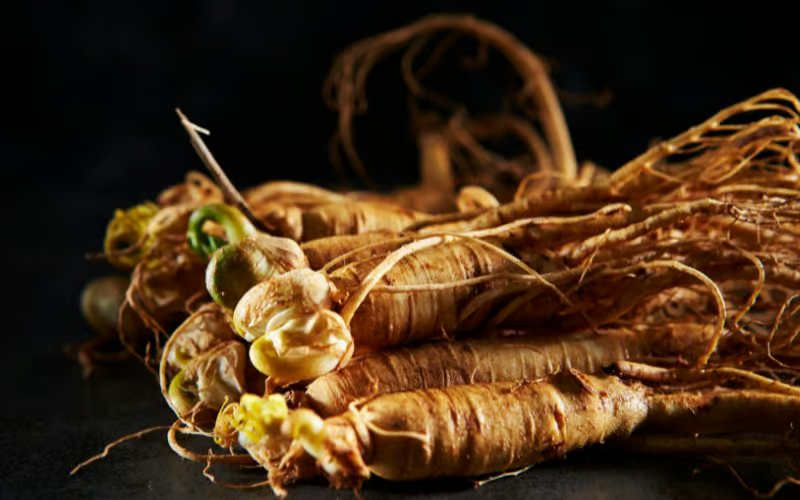
Red Ginseng
History of Red Ginseng
Red Ginseng (Panax ginseng C.A. Meyer) is renowned as one of nature’s most powerful and versatile botanical remedies. Its history, science, and therapeutic applications make it a true “King of Herbs.” From ancient traditions to cutting-edge research, this remarkable adaptogen holds the key to vitality and resilience.
Ancient Roots in Healing
Red Ginseng’s origins trace back over 5,000 years to the mountain forests of Manchuria, located in northeastern China. Its fame spread quickly, and it became a prized tonic used by royalty. Ancient texts such as the Shen Nong Ben Cao Jing highlighted the herb’s ability to “support the five visceral organs, calm the nerves, improve memory, clear the eyes, and expel negative spirits.”
Known as the “dose of immortality,” ginseng was reserved for emperors, who believed it could promote longevity and vitality. The term Panax, derived from the Greek words Pan (“all”) and axos (“medicine”), reflects its reputation as an all-healing remedy
Traditional Use
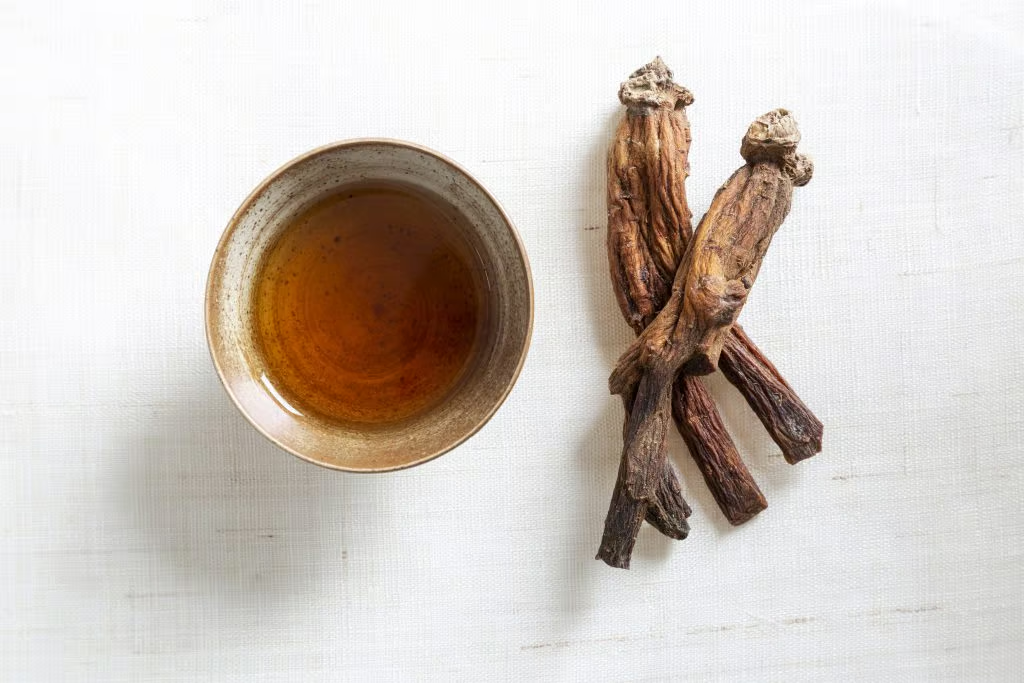
Red Ginseng is created through a steaming and drying process that transforms ginseng’s raw roots into a more potent therapeutic form. This preparation not only preserves the root but also generates unique compounds, such as Rg3 and Rh2, which are absent in unprocessed ginseng.
Traditional applications include:
Energy Restoration: It has long been used to combat fatigue and improve energy levels.
Cardiovascular Benefits: Certain ginsenosides are known for supporting heart health and improving circulation.
Stress Adaptation: Red Ginseng helps normalize the body’s response to stress, enhancing mental clarity and resilience.
Immune Support: Its immunomodulating properties strengthen the immune system, particularly during periods of recovery.
Anti-Tumor Effects: Rare compounds such as Rg3 demonstrate potential to inhibit tumor growth and proliferation.
Appearance and Growth
Botanical Description
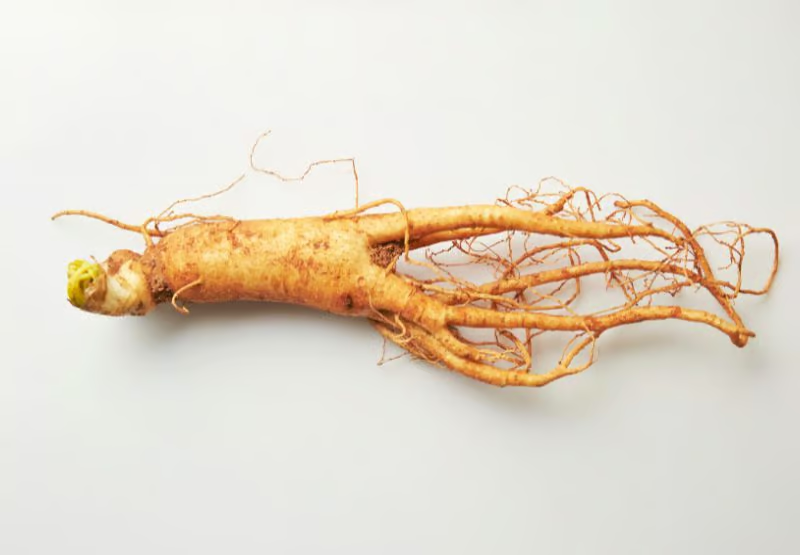
Red Ginseng comes from the six-year-old root of the Panax ginseng plant. Its cultivation and processing require meticulous care to maximize its therapeutic properties.
Key features include:
Root: A thick, forked, and gnarled root with a manlike appearance, symbolizing its role in full-body health. The root turns a reddish hue after a traditional steaming process, which enhances its medicinal potency.
Leaves: Broad and palmate (shaped like an outstretched palm), growing in whorls at the top of upright stems.
Height: A perennial herb growing up to 60–80 cm (24–31 inches) tall, with a distinctive flower stalk that bears red berries.
Habitat: Native to the mountainous regions of East Asia, it thrives in temperate climates with nutrient-rich, slightly acidic soils under partial shade.
Natural Habitat
The cultivation of Red Ginseng parallels its significance as a therapeutic herb. The process is highly specialized and requires exacting environmental conditions. Historically grown in Manchuria’s mountain forests, red ginseng is now cultivated in Korea, China, and parts of Russia under carefully monitored conditions.
Key aspects of red ginseng’s growth environment include:
Climate: Ginseng thrives in temperate regions with moderate rainfall and cool summers.
Soil: It requires nutrient-rich, slightly acidic soil for optimal growth.
Shade: The plant depends on partial shade, replicating its native forest floor habitat.
Maturation Period: Cultivated for six years, ginseng roots develop their full medicinal potential over this extended growth cycle.
📞 Schedule Your Free Discovery Call Today
Curious about how Red Ginseng can enhance your health and well-being? Book a FREE discovery video meeting today!
Clinical Applications of Red Ginseng
Beneficial Chemical Constituents
The therapeutic potential of red ginseng lies in its bioactive compounds:
Rare Ginsenosides (Rg3, Rh2, Rg5, Compound K): Boost adaptogenic, anti-tumor, and neuroprotective effects by reducing oxidative stress and modulating immune responses.
Protopanaxadiols (e.g., Rb1, Rb2, Rd): Provide cardioprotective and anti-inflammatory benefits while supporting metabolic health.
Protopanaxatriols (e.g., Re, Rg1, Rh1): Enhance focus, cognitive function, and overall vitality, with additional immune-supporting properties.
Sterols and Vitamins (e.g., B1, B2, B5, B12, Biotin): Support energy metabolism, cellular health, and immune function.
Medicinal Properties and Uses
Red ginseng has been extensively researched for its ability to support multiple areas of health, acting as an adaptogen and therapeutic agent.
Stress Response and Adaptogenic Action: Red ginseng enhances the body’s resilience to physical, emotional, and biological stressors by regulating the hypothalamo-pituitary-adrenal (HPA) axis. This action helps normalize cortisol levels, reduce fatigue, and improve focus and mental clarity.
Cognitive and Neurological Benefits: Ginsenosides like Rg1 and Rh1 exhibit neuroprotective effects, enhancing memory, reducing beta-amyloid buildup, and protecting against neurological diseases such as Alzheimer’s.
Anti-Cancer Support: Rare ginsenosides, especially Rg3 and Rh2, play a role in inhibiting tumor growth, suppressing metastasis, and enhancing the effects of chemotherapy. Red ginseng is considered a valuable adjunct therapy in cancer care.
Heart and Metabolic Health: Compounds in red ginseng have cardioprotective effects, improving circulation, regulating blood sugar, and reducing lipid peroxidation. These properties make it beneficial for managing hypertension, diabetes, and cholesterol balance.
Anti-Inflammatory and Immune Modulation: Its ability to reduce inflammation while boosting immunity makes it an excellent option for strengthening defenses against infections and aiding recovery from illness, including post-COVID fatigue.
Longevity and Anti-Aging: By raising antioxidative defenses and protecting mitochondrial health, red ginseng reduces cellular aging and supports longevity at the cellular and systemic levels.
Reproductive Health: It promotes hormonal regulation, supports fertility in men and women, and enhances stamina and libido.
Neuroprotection, Cognitive Enhancement & Alzheimer's Disease

One of the most exciting current research frontiers for red ginseng is neuroprotection. A comprehensive 2024 review in IUBMB Life summarized the state of evidence: ginsenosides Rb1, Rb2, Rd, Rg1, Rg2, and compound K demonstrate protective effects against multiple neurological diseases, with their primary mechanisms including anti-inflammatory activity, antioxidant defense, inhibition of neuronal apoptosis, and promotion of neurogenesis.
The evidence base for Alzheimer’s disease is particularly notable. Ginsenoside Re prevents PC12 cells from damage induced by beta-amyloid peptide; ginsenoside Rg(3) provides neuroprotection against homocysteine-induced excitotoxicity in the hippocampus; and Panax ginseng extract offers strong protective effects against the neurofibrillary tangles — a hallmark of Alzheimer’s pathology. Ginsenoside Rg1 has been shown to stimulate proliferation of hippocampal progenitor cells, offering a cellular basis for ginseng’s memory-enhancing and anti-senescence effects.
Animal studies confirm neuroprotection in Parkinson’s disease models as well: ginseng extract G115, administered orally, dramatically blocked tyrosine hydroxylase-positive cell loss and reduced locomotor dysfunction in two PD models — suggesting ginseng may slow disease progression.
Chronic Fatigue, Fibromyalgia, & Post-COVID Recovery

A clinically important and timely development: red ginseng has demonstrated significant effectiveness in chronic fatigue syndrome (CFS), fibromyalgia, and post-viral fatigue — conditions affecting an estimated 10–25% of people following COVID-19 infection.
An open-label pilot trial of HRG80™ Red Ginseng (a hydroponic form with high rare ginsenoside content) in 188 patients with severe CFS and fibromyalgia showed that 60.1% of participants rated themselves as improved. Mean composite scores showed a 67% average increase in energy, 48% improvement in mental clarity, 46% improvement in sleep, 58% composite improvement, and 72% increase in stamina (p < 0.001). The post-viral CFS subgroup showed comparable benefit. More recently, a clinical study at Yongin Severance Hospital, published in the Journal of Ginseng Research (2026), confirmed that red ginseng effectively alleviates chronic fatigue syndrome symptoms following COVID-19 infection — a finding of considerable importance given the scale of long-COVID morbidity worldwide.
Immunomodulation, Cancer Prevention, & Oncology Support

The immune-modulating profile of red ginseng is multi-directional and clinically profound. Ginseng enhances antibody response, natural killer (NK) cell activity, interferon production, and the proliferation and phagocytic activity of immune cells — while simultaneously serving as an immunoregulator rather than a simple stimulant. This bidirectional action makes it uniquely suited to modern clinical immunology.
The epidemiological and experimental cancer evidence is extensive and positive. The prolonged administration of Panax ginseng extract significantly inhibited hepatoma incidence and pulmonary tumor proliferation. Case-controlled studies in Korea demonstrated significantly reduced cancer odds ratios for cancers of the lip, oral cavity, pharynx, larynx, lung, esophagus, stomach, liver, pancreas, ovary, and colorectum in ginseng users. A landmark cohort study of 1,455 breast cancer patients (Shanghai Breast Cancer Study) found that regular ginseng users had a 29–30% reduced risk of disease-specific mortality and recurrence — a clinically meaningful survival benefit.
The mechanisms are as sophisticated as any pharmaceutical: ginsenoside Rg3 inhibits COX-2 expression and NF-κB activation, suppresses ornithine decarboxylase activity, and blocks angiogenesis — the formation of new blood vessels that feed tumors. Ginsenoside Rh2 demonstrates strong tumor-inhibiting properties and, critically, sensitizes multi-drug resistant cancer cells to chemotherapy agents like paclitaxel (Taxol) — a major clinical challenge in oncology. Red Ginseng Acidic Polysaccharide (RGAP) has shown synergistic anti-tumor effects with paclitaxel, extending the lifespan of tumor-bearing animals by up to 42.8% in combination therapy.
Korean Red Ginseng also shows promise as a vaccine adjuvant: a randomized double-blind study of 227 participants found that 100 mg of standardized ginseng extract daily prevented colds and influenza, improved immune cell activity, and significantly increased antibody levels following influenza vaccination. A 24-week longitudinal study (2023) further confirmed that Korean Red Ginseng may help maintain antibody levels following COVID-19 vaccination.
Cardiovascular Health: The Nitric Oxide Connection

The cardiovascular benefits of red ginseng are centered on its remarkable ability to stimulate nitric oxide (NO) production — a finding that unifies several of ginseng’s most prized traditional uses. Ginsenosides protect myocardial tissue against ischemia/reperfusion damage, protect endothelium against free-radical injury, enhance acetylcholine-induced vascular relaxation, and reduce lipid peroxidation. This NO-releasing action accounts for ginseng’s protective cardiovascular effects and also explains its traditional use for male erectile function.
Regarding cholesterol metabolism: ginsenoside Rb2 significantly decreases total cholesterol and LDL while increasing HDL in cholesterol-fed animals. Oral red ginseng administration reduced plasma total cholesterol and triglycerides in hyperlipidemic patients while elevating HDL and reducing platelet adhesiveness — a comprehensive cardiovascular profile.
A 2023 review in Food Science & Nutrition confirmed that red ginseng contains more ginsenosides in both types and abundance than white ginseng, and that its unique rare ginsenosides deliver enhanced cardiovascular protection — while noting that red ginseng shows no effect on myocardial function in healthy hearts.
Metabolic Health: Blood Sugar, Insulin Resistance, & Anti-Obesity

The anti-diabetic evidence for ginseng is among the most rigorously studied in herbal medicine. Multiple randomized controlled trials have demonstrated that ginseng attenuates postprandial glycemia in both diabetic and non-diabetic individuals. Doses of 3–9g of American ginseng (closely related to Panax) taken 40 minutes before a glucose challenge reduced the area under the glycemic curve by 26–38.5% in dose-dependent fashion. Ginsenoside Re reduces insulin resistance through inhibition of JNK and NF-κB activation in adipocytes and high-fat-diet animals.
The anti-obesity mechanism is elegant: ginsenoside Rg3 (abundant in red ginseng) inhibits adipocyte differentiation through AMPK signaling pathway activation and PPAR-γ inhibition — the same pathways targeted by modern anti-obesity pharmaceuticals. Ginseng berries, rich in ginsenoside Re, were shown to normalize blood sugar levels, reduce cholesterol by 30%, and produce significant weight loss in diabetic animal models, while also stimulating increased physical activity — a finding that underscores the importance of whole-plant preparations over isolated constituents.
Bone Health & Osteoporosis
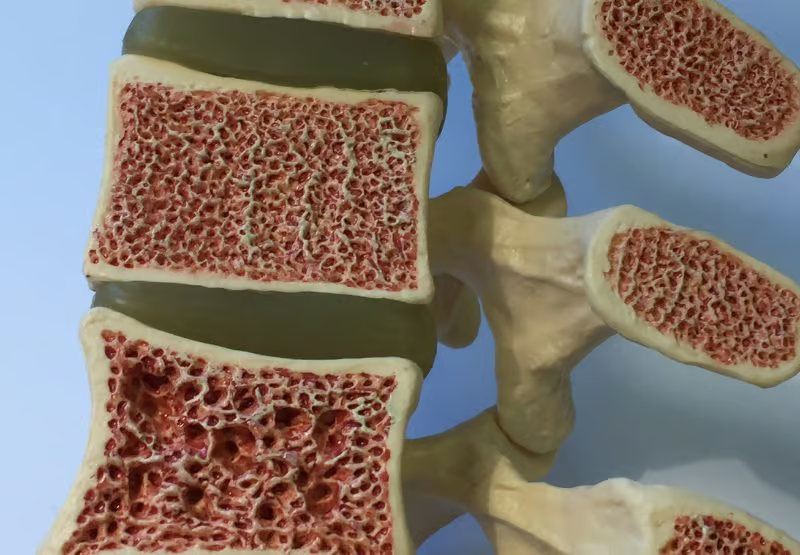
A June 2025 review published by researchers at City University of Hong Kong represents the most current frontier: the potential of Panax ginseng for osteoporosis prevention and management. The review, published in Chinese Medicine, comprehensively documents how ginsenosides modulate bone metabolism through gut microbiota modulation, osteoblast stimulation, and osteoclast inhibition. Ginseng’s synergistic interactions with bisphosphonate drugs (standard osteoporosis pharmaceuticals) position it as a compelling complementary adjunct — particularly relevant given the high prevalence of osteoporosis in women aged 50+, where rates reach 35.2%.
Anti-Aging, Liver Health, & Cellular Senescence
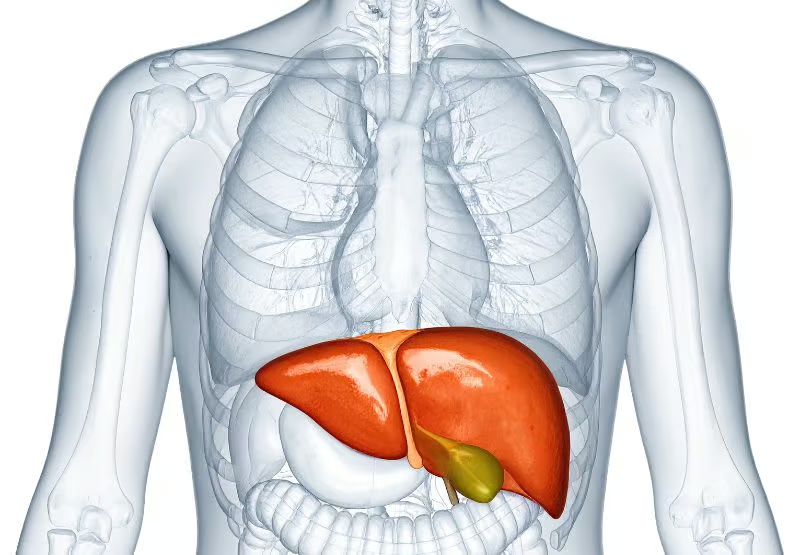
A 2024 study at the National Institute on Aging (NIH) and Oklahoma State University investigated the impact of red ginseng on age-associated hepatic cellular senescence in 19-month-old mice — equivalent to advanced human aging. Red ginseng significantly attenuated the cellular senescence markers, inflammation, apoptosis dysregulation, and insulin resistance associated with liver aging. This builds on a robust animal literature showing that ginsenoside-Rd raises antioxidative defenses (including the critical GSH/GSSG redox couple), reduces lipid peroxidation, and counteracts the mitochondrial oxidative damage that drives aging at the cellular level.
Final Recommendations
Quality Matters
The therapeutic effects of red ginseng rely largely on product quality. A landmark analysis of 25 commercial ginseng preparations demonstrated that ginsenoside concentrations varied significantly, with some products falling short of their labeled potency. In fact, ginsenoside levels were found to vary 15 to 200-fold between different products.
For consumers, it is essential to choose high-quality, standardized extracts with verified ginsenoside content to enjoy the herb’s full medicinal benefits. A properly produced red ginseng supplement provides profound therapeutic value, while poorly prepared versions may be inert and ineffective.
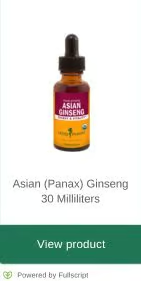
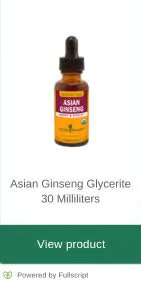
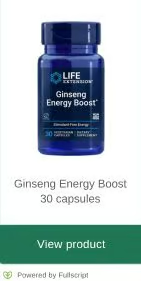
Here are Nancy’s Red Ginseng recommendations:
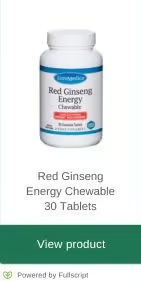
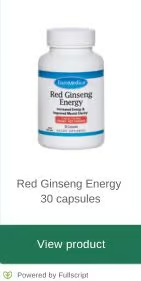
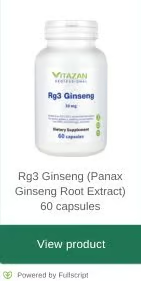
Some Precautions with Red Ginseng
Red ginseng is a powerful herb with a well-characterized safety profile, but clinical precision is required:
- Excess heat / Yin deficiency patterns: Red ginseng’s warming nature makes it inappropriate for individuals who are constitutionally hot, hypertensive, inflamed, or present with excess heat signs. In these individuals, American ginseng (cooling, yin-tonifying) is preferred.
- Hormonal cancers: Ginseng has mild phytoestrogenic activity (ginsenoside Rh1 acts as a weak phytoestrogen; Rg1 activates ERα through a ligand-independent pathway). While ginseng’s overall anti-cancer evidence is strongly positive, practitioners should exercise additional judgment in hormone-receptor-positive breast or uterine cancer until individual consultation is complete.
- Drug interactions: Ginseng has moderate interactions with anticoagulants (warfarin), stimulants, diabetes medications (additive hypoglycemia risk), and immunosuppressant drugs. Always review full medication list.
- Pregnancy and lactation: Insufficient safety data; use with caution and only under practitioner supervision.
- Insomnia in robust individuals: Red ginseng’s stimulating properties may worsen sleep in constitutionally strong, stressed individuals. (Paradoxically, in the deficient, exhausted patient — the classic TCM indication — it improves sleep by restoring vital energy.)
- Quality imperative: Given the extreme variation in ginsenoside content across commercial products, clinical use requires standardized, verified-potency preparations. Seek products with stated ginsenoside content (minimum 5%), third-party testing, and — for Korean red ginseng — government-certified origins.
Disclaimer: There is no “one size fits all” when it comes to recommending Red Ginseng. Because of this, Nancy recommends Booking a 15 Minute Discovery call if you’re interested in taking this wonderful herb. It’s important to consult with a registered clinical herbalist or natural health practitioner trained in clinical herbalism for more resistant and deeper set health issues. They will be able to give a more tailored suggested serving and daily frequency based on your age, gender, body weight, and any present medical conditions.
Resources
Web Resources:
Brief introduction of Panax ginseng C.A. Meyer. | Ginseng in white and red processed forms: Ginsenosides and cardiac side effects | Neuroprotection and mechanisms of ginsenosides in nervous system diseases: Progress and perspectives | Variability in commercial ginseng products: an analysis of 25 preparations | Effects of ginseng saponin administered intraperitoneally on the hypothalamo-pituitary-adrenal axis in mice | Effect of Hydroponically Grown Red Panax Ginseng on Perceived Stress Level, Emotional Processing, and Cognitive Functions in Moderately Stressed Adults: A Randomized, Double-Blind, Placebo-Controlled Study | Neuroprotection and mechanisms of ginsenosides in nervous system diseases: Progress and perspectives | Ginsenoside Re attenuate β-amyloid and serum-free induced neurotoxicity in PC12 cells | Neuroprotective effects of ginsenoside Rg3 against homocysteine-induced excitotoxicity in rat hippocampus | Neuroprotective Effect of Some Plant Extracts in Cultured CT105-Induced PC12 Cells | Ginsenoside Rg1 promotes proliferation of hippocampal progenitor cells | Neuroprotective actions of the ginseng extract G115 in two rodent models of Parkinson’s disease | Ginseng, the ‘Immunity Boost’: The Eff ects of Panax ginseng on Immune System | An Open-Label, Pilot Trial of HRG80™ Red Ginseng in Chronic Fatigue Syndrome, Fibromyalgia, and Post-Viral Fatigue | Epidemiological study on cancer prevention by ginseng: are all kinds of cancers preventable by ginseng? | Anti-Angiogenic Properties of Ginsenoside Rg3 | Rh2, a compound extracted from ginseng, hypersensitizes multidrug-resistant tumor cells to chemotherapy | Enhancement of antitumor effects of paclitaxel (taxol) in combination with red ginseng acidic polysaccharide (RGAP) | Red ginseng shown to alleviate long Covid-19 chronic fatigue symptoms | Korean Red Ginseng Potentially Improves Maintaining Antibodies after COVID-19 Vaccination: A 24-Week Longitudinal Study | Potential of Panax ginseng for bone health and osteoporosis management | Red Ginseng Attenuates the Hepatic Cellular Senescence in Aged Mice | The cancer-preventive potential of Panax ginseng: a review of human and experimental evidence | Association of ginseng use with survival and quality of life among breast cancer patients | Efficacy and safety of the standardised Ginseng extract G115 for potentiating vaccination against the influenza syndrome and protection against the common cold [corrected] | Ginseng supplementation and vascular function: a systematic review and meta-analysis of clinical trials | Cardiovascular protection by ginsenosides and their nitric oxide releasing action | Cholesterol-modulating effects of Korean red ginseng (KRG) targeting PCSK9 in hyperlipidemia | Serum HDL-cholesterol-increasing and Fatty Liver-improving Actions of Panax Ginseng in High Cholesterol Diet-fed Rats with Clinical Effect on Hyperlipidemia in Man | Ginsenoside Re Reduces Insulin Resistance through Inhibition of c-Jun NH2-Terminal Kinase and Nuclear Factor-κB | Ginseng Berry Extract Shows Promise For Diabetes, Obesity | Ginsenoside-Rd attenuates oxidative damage related to aging in senescence-accelerated mice
Scholarly References:
- Huang KC. The Pharmacology of Chinese Herbs, 2nd ed. CRC Press, Boca Raton, FL. 1999.
- Shen Nong Ben Cao Jing (The Herbal Classic of the Divine Plowman), c. 101 BCE. Cited in: Kee Chang Huang, 1999, op. cit.
- Hu SY. The genus Panax (ginseng) in Chinese medicine. Econ Bot. 1976;30:11–28.
- Yance DJ Jr. MH CN AHG. Korean/Asian Ginseng (Panax ginseng) & American Ginseng (Panax quinquefolius) Monograph, Chapter 11: Thriving Beyond Surviving. (Comprehensive monograph with 148 cited references encompassing actions, clinical uses, cancer, cardiovascular, immune, reproductive, neurological, and metabolic research; references 1–148 as cited therein).
- Bensky D, Gamble A. Chinese Herbal Medicine Materia Medica. Eastland Press, Seattle, WA. 1993.
- Winston D. Native American, Chinese, and Ayurvedic Materia Medica. HTSBM. 2004.